Moving to a Different Climate in 2026? Use This Guide
Moving Tips and Hacks
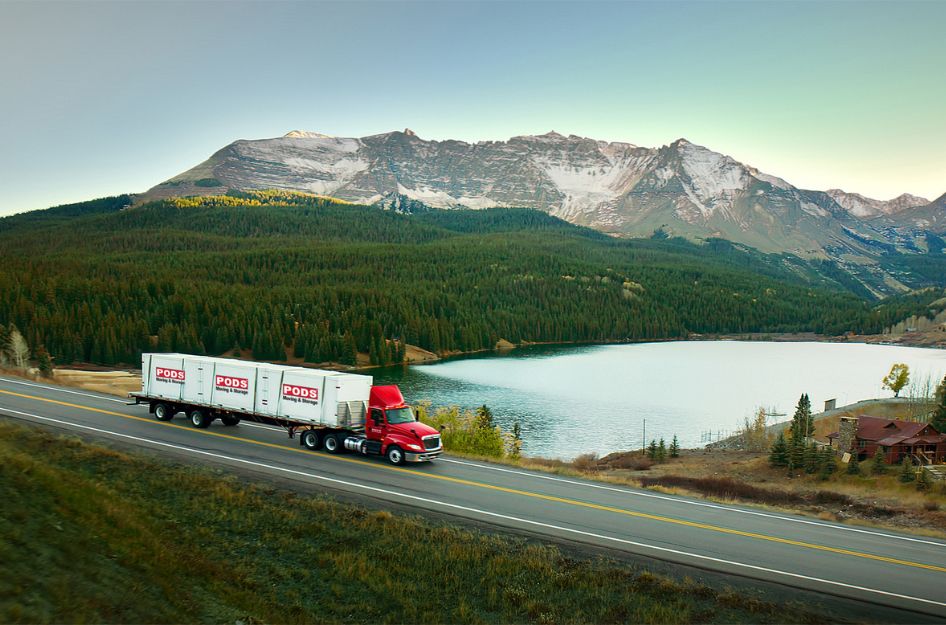
Whether you’re relocating from Alaska to Florida or from California to Maine, moving to a different climate can mean big changes for you and your new home. Such a big change in weather patterns you’re used to means new wardrobe needs, new native foods, a new cultural atmosphere, and so much more. There are important steps to take before, during, and after your move to help you and your family feel comfortable in unfamiliar weather. And we’ve got just the tips to help you adjust.
Can Moving to a Different Climate Make You Sick?
If you’re feeling stuffy or dehydrated upon moving to a new climate, it’s not in your imagination. A change in habitat can absolutely make you feel sick, from worsening seasonal allergies to triggering respiratory issues. But don’t cancel your plane tickets just yet! There are ways to cope with the symptoms that can come with moving to a different climate.
If you’re doing a cold-to-warm climate move, for instance, cold weather can exacerbate asthma, dry out your skin, deplete your vitamin D levels (if the cold keeps you indoors more, or there’s less sunshine), and make you more susceptible to catching a cold or other virus that might be circulating. Especially if you’re used to higher temps, you’ll want to take extra precautions to adjust, like:
- Buy a warm jacket and dress in layers.
- Get some wool socks and, if you’re in an area that experiences snow, some snow boots with good traction.
- Drink plenty of water and moisturize with a thick lotion daily.
- Consider putting a humidifier in your room and buying moisturizing eye drops as needed.
- If you have asthma, get a newly prescribed inhaler.
- Take a vitamin D supplement.
- Learn the symptoms of hypothermia or frostbite.
For those moving to a warmer climate, you could experience dehydration (from all that sweating!), heat exhaustion (beware of these symptoms), sunburn (from so much time outdoors), and, if you’re in a humid climate, too, respiratory issues could also come up. Take care of yourself in your new, warm home by:
- Staying extra hydrated.
- Using a dehumidifier as needed (mold and other bacteria love humid environments).
- Always wear SPF and have sunglasses or other UV protection on hand.
- Knowing the symptoms of heat exhaustion.
It’s not just hot or cold temperatures that could make you feel sick, either: A change in altitude (looking at you, Colorado!), new allergens like high levels of pollen, or going from a mild to continental climate where you experience a sudden change in seasons can all bring about other issues, like lightheadedness, headaches, sinus discomfort, and more. The best way to prepare is by making an appointment with your doctor and letting them know about the move to learn more about how the climate of your new home might interact with any preexisting conditions you have.

These practical tips for moving to a new climate will help you adjust to — and even enjoy! — your new environment more easily.
Tips for Moving to a Different Climate
Any move requires some preparation, but moving to a different climate calls for a little extra groundwork. From making sure you don’t pack a bunch of stuff you’ll never use in your new home to checking that your future house is move-in ready, here’s what to do before you go.
Research Your New Climate
Read up on the weather and local proclivity to natural disasters in your new town and reach out to friends (or friends of friends) who already live in the area to get the lowdown on what you should expect. One useful online resource is the National Centers for Environmental Information’s Past Weather Tool, where you can enter the zip code of your new neighborhood and learn about the weather conditions on a certain date or around a certain time. Hearing directly from people who live there is especially informative, though. Especially when considering things like how climate change has affected the historic weather conditions or how the hurricane the area experienced years ago is still impacting residents.
Check That Your New Home Is Fit for the Weather
Next up, take that climate knowledge and apply it to your home: Is it prepared for a hurricane or rising water levels, if that’s a likely occurrence in your new zip code? If you’re moving to a warmer climate, does it have AC already, instead, and is it working properly? If you’re moving to a colder climate, is it well-insulated? Here are some other factors to check for, or home improvement projects you could consider after moving in, to better weatherproof your house:
- Reinforced roof (to protect against hurricanes and other storms).
- Improving insulation (by installing new windows, using draft stoppers, putting up heavy curtains, etc.).
- Fire-resistant landscaping
- A reliable, appropriate heating system (Tip: Baseboard heating may not be the best choice for extreme cold climates).
- An air conditioning system that can cool your whole home.
| Pro Tip: For additional tips on decluttering before your move, check out more here: https://www.pods.com/blog/tag/declutter |
Declutter Items You Won’t Need in Your New Climate
It’s always a good idea to declutter before moving, but when a new climate is involved you definitely don’t want to be packing up all that unnecessary gear. Consider having a moving sale to make a little cash for the move!
If you’re moving to a warmer climate, declutter:
- Excessive winter wardrobe
- Winter snow boots, scarves, hats, and gloves
- Snowblower and snow shovels
- Flannel sheets and extra-warm down comforters
If you’re moving to a colder climate, declutter:
- Excessive summer wardrobe
- Portable air conditioners/window units
- Box fans/standing fans
- Cooling bedding
Prep Your Car for the Move
If you’re bringing your car with you, keep in mind that it's not used to your new climate, either. Extra cold weather can affect your car battery (particularly important if you drive an EV) and even make it so your car won’t start, cause your tires to deflate, and make your windshield wipers freeze up, among other issues. Heat can wreak its own havoc on cars, from damaging the battery to affecting the tire pressure. Here are some precautions to take.
If you’re moving to a warmer climate:
- Check your tire pressure and coolant levels regularly
- Check your car battery
- Get sun shades to keep your car cool when you’re not using it
- Create a car emergency kit with bottled water, electrolytes, sunscreen, sunglasses, extra coolant, and a tire pressure gauge.
If you’re moving to a colder climate:
- Check your tire pressure regularly
- Check your car’s heating and defrosting systems
- Consider winter tires or a car with all-wheel drive
- Buy winter windshield wipers
- Consider getting an engine block heater
- Keep jumper cables in your car in case of a dead battery
- Create a car emergency kit with:
- A blanket
- Hand and feet warmers
- Tire chains (in states where they’re allowed)
- A shovel to dig your car out if you get stuck in snow
- A window ice scraper and brush
- Road salt (for de-icing your sidewalk/driveway when you get home)
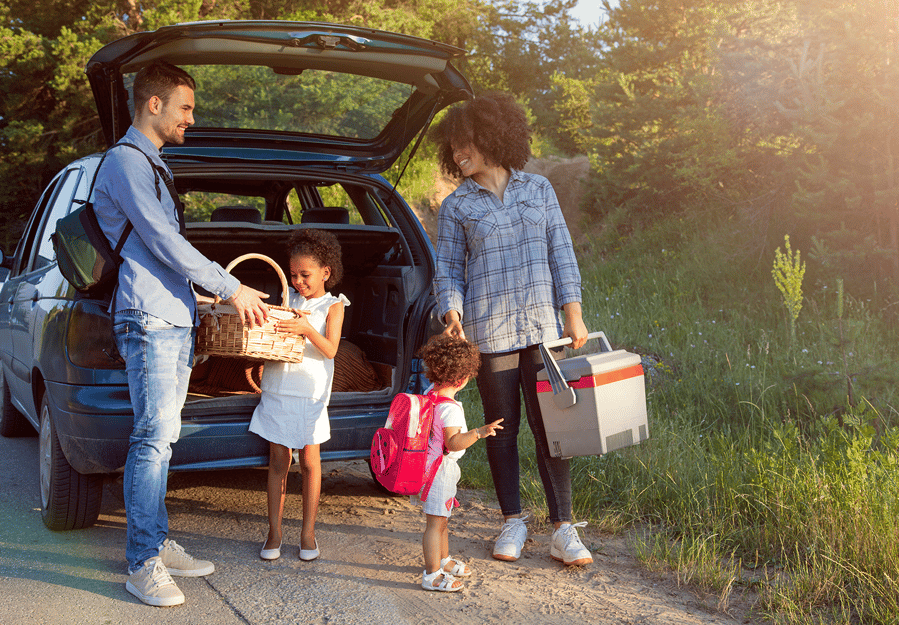 Moving to a different climate means new activities! If you’re new to warmer weather, prepare for lots of picnics, beach days, and so much sunshine — just don’t forget the SPF.
Tips for Moving to a Warmer Climate
Okay, you’ve researched your new climate, decluttered your stuff, and prepared your car — here are a few more tips for moving to a different climate (that’s much hotter than your last one).
Be Prepared To Sweat
The sun’s out, the temperature is up, and your body is going to feel it. Combat heat exhaustion by taking breaks from strenuous time outside, drinking plenty of water and electrolytes (more than you think!), and applying sunscreen liberally. During particularly hot spells, it’s smart to invest in cooling tools like portable and handheld fans when you’re on the go, along with cooling blankets, room fans, and dehumidifiers for at home. If you have pets, invest in a few cooling mats for them to lounge on around the house.
You might also want to buy some fun yard features, like a wading pool, water slide, and sprinklers — your dogs are sure to love these, too!
Consider Improving Your Home’s Insulation
One of the most effective ways to keep your home cooler is by keeping the heat from entering in the first place. Amp up your efficiency with attic insulation, spray foam insulation, sun-blocking window film, or thermal curtains (these are also great for keeping the heat in, if you’re moving to a colder climate).
Buy Warm-Weather Clothing
If you’re moving to a different climate with way hotter weather than you’re used to, your wool sweaters and fleece-lined leggings are definitely not going to cut it. After you’ve decluttered those, buy some new closet staples like loose-fitting cotton clothing, tank tops and shorts, dresses and skirts, sandals, sunhats, and sunglasses.
Truthfully, you might be better off waiting until you move to do a big shopping spree, as you’ll typically find a better selection of climate-friendly pieces in your new town than you will in your current location. Plus, you’ll also get a chance to see the styles and fashion trends for that area, so you can start to look like a local. However, it’s a good idea to buy at least a couple of hot-weather outfits before you get there so you can be comfortable on moving day and for the first few days while you settle in. No need to sweat any more than you have to while unpacking!
Prepare To Change the Time You Spend Outside
Moving to a warmer climate likely means you’ll naturally spend a lot more time outdoors, whether that’s in the local parks, down by the beach, hiking in the woods, or walking to the farmers' market. Depending on how extreme the sun is, it might also mean avoiding going outside during the peak heat hours (usually the mid- to late-afternoon) and instead doing yard work in the early morning and taking a post-dinner stroll (maybe to your favorite ice cream shop) later in the evening. While it may not seem like a big deal, this lifestyle change may affect how you socialize, exercise, run errands, and more.
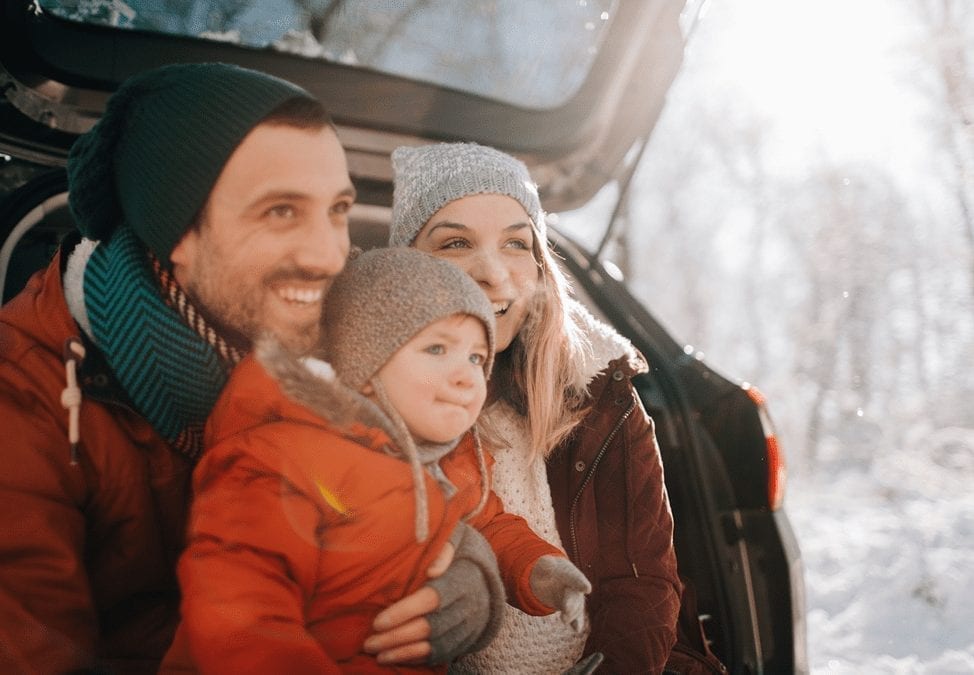 When moving to a different climate with colder weather than you’re used to, be sure to stock your new wardrobe with a parka, snowboots, and plenty of warm gloves, scarves, and hats.
Tips for Moving to a Colder Climate
When you’re moving to a different climate that’s accustomed to colder temperatures than you are, you’ll want to pack and prepare accordingly. Here are a few key tips for moving to a colder climate.
Winterize Your Wardrobe
You don’t have to toss out all of your cotton dresses and Bermuda shorts — save a few for vacations! — but after significantly decluttering those warm-weather pieces from your wardrobe, you’ll want to restock it with some cold-weather staples. Think:
- A warm parka (the longer, the better)
- Sturdy snowboots
- Hats, scarves, and gloves
- Wool socks
- Warm base layers
- Sweaters and booties for your dogs (you want to keep salt off their paws)
Stock Up on Firewood
If you have a wood-burning fireplace in your new home, prepare for cozy nights in by sourcing plenty of firewood and kindling. If you’re new to fire making, some starter logs can help get the flames going. (Tip: Don’t forget to open the flue before starting a fire!)
Get a Backup Generator
Cold climates often bring heavy snow, fallen trees, downed lines, and power outages. Especially if you’re moving to a different climate in a more remote area, it could take quite some time to get your power back. Installing a backup generator that automatically kicks into place when there’s an outage can save you some serious stress. On that note, also be sure to have a power outage kit with gallons of water, flashlights, and candles ready to go.
Prepare To Spend Lots of Time Indoors
Even if you’re an avid skier and are moving to the mountains to enjoy the slopes, if you’re moving to a colder climate, chances are high that you’ll spend more time inside on the whole. That’s important because it’s likely to impact, for one, how you make friends in your new neighborhood — you may not bump into neighbors at a crowded park, but rather will join a local bar trivia night or become involved in your neighborhood association. Staying in so much also has the potential to impact your mental health, which you can combat by using things like SAD lamps, vitamin D supplements, and embracing the hygge lifestyle.
Moving to a Different Climate — FAQs
Q: How long does it take your body to adjust to a new climate?
A: That depends on how different that climate is from your last one. If you’re moving to a much higher altitude, aclimatization generally takes one to three days. As for major temperature differences, for instance, with a cold-to-warm climate move, you can adapt “over the course of a few weeks,” according to Ollie Jay, director of the Heat and Health Research Centre at the University of Sydney. But really, it could take your whole first year to get used to your new climate, from a lifestyle perspective — and that’s okay! Moving to a different climate is a big deal, and your body may need some time to adjust.
Q: Can you get sick from a change in climate?
A: When moving to a different climate, factors like altitude changes, temperature changes, higher pollen levels, and other new allergens can all make you feel unwell in different ways, but most of the symptoms are temporary (say, as you adjust to a higher altitude) or preventable with the right tools and habits (make sure to dress warm enough for cold weather and drink plenty of water in extra hot weather). If you find yourself feeling consistently ill after a move, be sure to visit the doctor to find out what new factor is bothering you.
Q: Can you train your body to adapt to heat?
A: If you’d like to improve your heat tolerance, you can do so by improving your fitness, staying super hydrated, and spending short but consistent time outside each day. However, being affected by the heat, especially if you’ve just moved, is nothing to be embarrassed about. Be sure to dress appropriately, take lots of breaks inside or in the shade, and don’t push yourself when you’re feeling overheated, dehydrated, or lightheaded.
Q: What vitamin helps with weather changes?
A: If you’re not getting enough sunlight exposure, you may not be getting enough vitamin D. Vitamin D helps your body function how it should, and a deficiency can contribute to issues like Seasonal Affective Disorder and low bone density, according to WebMD.
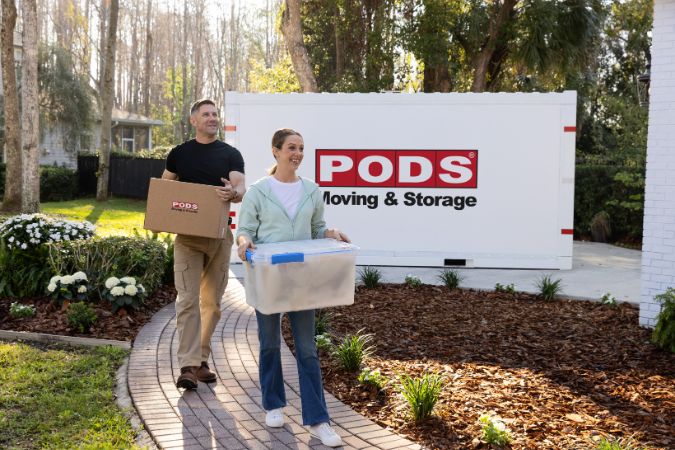
If you’re moving to a different climate, PODS portable moving containers can help make the transition more flexible with different moving and storage options.
Moving to a Different Climate With PODS
Now that you’re up on all the best tips for moving to a new climate, it’s time to back up your newly decluttered wardrobe, get excited for your new home, and map out your moving logistics. Make your long-distance move to a new climate flexible with PODS portable moving containers. One month’s storage is included in the cost of every move, and PODS can refer you to local packing and loading services to help with the heavy lifting.
Visit PODS online for a free local moving quote or call 877-350-7637 for long-distance moving.
*This article was written on behalf of PODS Enterprises, LLC (“PODS”). PODS does not warrant the completeness or accuracy of any information contained in this article and disclaims any liability for reliance upon the content herein.

Your quote in 60 seconds
Get pricing tailored to your needs!
Related Articles