How to Pack Dishes for Moving: Packing Tips for Plates, Bowls, Glassware, and More
Packing Tips and Hacks
TL;DR: How To Pack Dishes for Moving Packing dishes for a move requires the right supplies and techniques to prevent breakage. Start with small or double-walled boxes and use bubble cushioning roll as the primary protective material. Plates should be packed vertically, bowls and glasses wrapped individually, and fragile items like wine glasses and china given extra layers of protection, while heavier cookware (like pots and pans) goes on the bottom of boxes. With the right approach for each item type — from silverware and knives to baby supplies — you can move your entire kitchen safely, whether across town or across the country. |
So you're busy sorting through all of your possessions and the moving tips and hacks you’ve heard ahead of your upcoming move — and then it hits you: You’re not quite sure how to pack dishes for moving. How much cushioning do you need? Do you know how to pack wine glasses? And what kind of cushioning should you use? It’s one of the most challenging parts of a move. Regardless of the distance, if your delicate dishes aren’t packed correctly, that could be a recipe for disaster.
First things first: You should begin the process of packing dishes by decluttering before moving. Not only will you free up space, but you’ll also know you’re not taking more than you need. You can donate your unwanted items to a reputable organization or even to family and friends.
Then you should get the proper supplies. Doing so will protect your expensive and fragile items from damage during transit. One thing to keep in mind? Weight. As tempting as it may be to try to fit all of your dishes in one large box, that’s a big no-no. The larger and heavier the box, the more likely the contents will inevitably get damaged (think: the bottom falls apart as you’re carrying it). Small or medium-sized boxes are the way to go. Even better, if you can get your hands on some double-walled boxes that are made specifically for dishes, you’ll be golden. Because they have that additional layer of cardboard, they’re sturdier than traditional moving boxes.
Essential Packing Supplies for How To Pack Dishes for Moving
- Boxes (Preferably double-walled)
- Packing tape
- Cushioning (bubble cushioning roll, packing paper, towels, etc.)
- Scissors
- Permanent markers
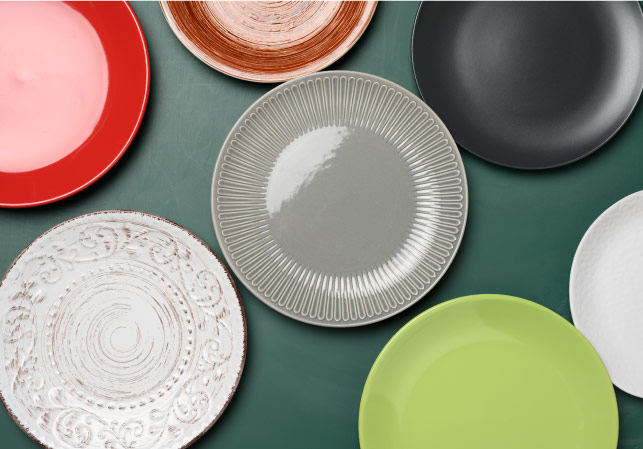
Packing plates vertically with proper cushioning in between each piece will help protect them from breaking or chipping during your move.
How To Pack Plates for Moving
When considering how to pack plates, specifically, packing paper may come to mind. After all, it’s an affordable material that can be used to wrap a variety of items on your moving-out of-state checklist or your short drive to the next town over. However, if you have a lot of fragile dishes, you may want to use an alternative product. Bubble cushioning roll is our go-to for items that can easily be broken.
Before you start packing plates into a moving box, make sure there is a layer of cushioning at the bottom. You can use various materials such as bubble cushioning roll, towels, or packing paper (but plenty of it) to protect your dishes from bumps that may occur while traveling, regardless of the rental moving truck size.
Then wrap and secure each plate with plenty of material by following these steps:
- Use bubble cushioning roll, paper, or towels you have lying around.
- Repeat until all of the items are wrapped.
- Place the plates vertically inside the boxes.
- When a box is full, fill in any gaps with additional cushioning (it doesn’t have to be the same material; whatever fits).
- Put a layer of cushioning on top to prevent the dishes from moving and to provide all-around protection.
Sometimes, you may need to know how to pack dishes for moving without paper. You can use many other objects to cushion plates so they don’t move, like clothes or even stuffed animals. However, it is best to find bubble wrap or another packing-specific material to help protect your belongings.
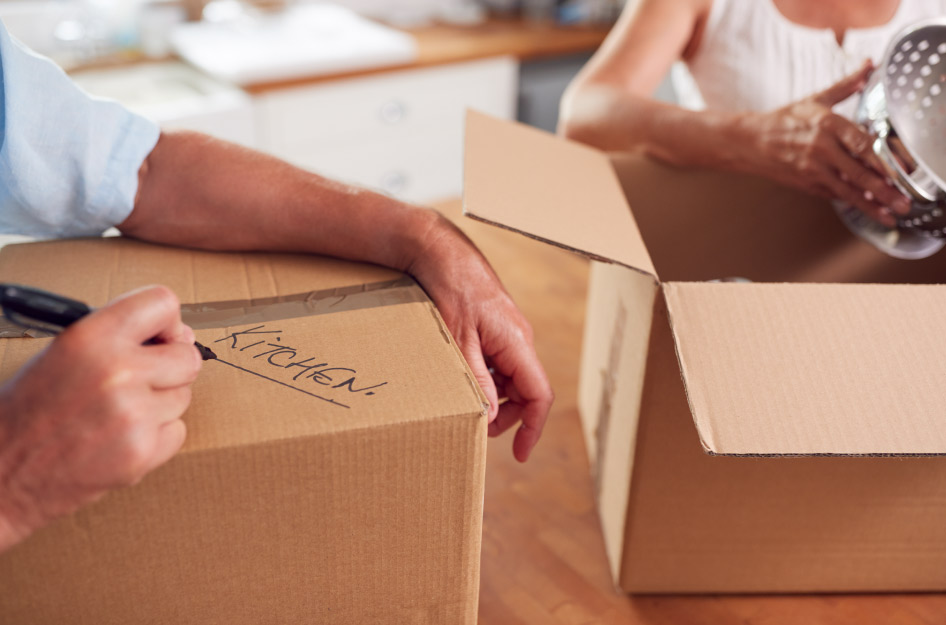
Finally, make sure each box is marked as fragile on all sides to ensure careful handling!
How To Pack Bowls for Moving
The process for how to pack dishes for moving, like bowls, depends on the type of bowls you have.
How To Pack Plastic Containers for Moving
If you have several non-breakable bowls made of something like plastic, for instance, you can simply nestle those together, wrap them a few times in packing paper, and place them in your moving boxes — heaviest and largest to lightest and smallest.
How To Pack Glass or Ceramic Bowls
If you have breakable bowls, however, the process will be a little different. You should use bubble cushioning roll, plenty of packing paper, or another type of decent cushioning when going about packing those bowls for moving. And you’ll want to wrap the bowls individually.
First, make sure the bottom of each moving box is covered with your chosen material, just like you did with the plates. Then place one bowl at a time in the center of a large piece (or pieces) of your cushioning.
For each fragile bowl, fold one corner of the paper or other cushioning over and into the bowl. Then, take two of the other ends and fold them over into the bowl. You should have one last edge that you have not wrapped around the bowl. Take the bowl and fold it over onto the last edge, securing any loose paper or other filling inside. Then secure everything with tape.
How To Finalize Each Box
Nestle the bowls inside the boxes on their sides, facing the same direction. When a box is almost full, fill in any gaps with crushed paper or other filling, and then add more cushioning on top. And, of course, don’t forget to label the box as fragile!
The best way to pack glass dishes is to wrap each item with packing paper or bubble cushioning roll and fill empty spaces in the box to keep the glasses from being jostled in transit.
How To Pack Glasses for Moving
Like bowls, you’ll want to take extra care when learning how to pack glasses for moving by wrapping your breakable glassware. Wrap each of your glasses or cups individually to ensure they stay safe while traveling, and avoid nesting the cups together if you think their stability may be compromised.
Then put the heaviest and bulkiest items on the bottom. As you know, putting down thick towels or packing material first and last will help protect each box's top and bottom. And you’ll definitely want to make sure to indicate that these boxes are fragile.
How To Pack Wine Glasses for Moving
For delicate stemware, you’ll want to double wrap each piece and place it in the top half of the boxes. Many people use socks, but there are better methods. Start by wrapping the actual stems separately, for added protection. Then move on to the glasses as a whole. Be sure to layer packing material inside the cup portions and around the items to ensure a snug fit in the boxes.
How To Pack Mugs for Moving
Although mugs are typically less fragile than wine glasses, they do have handles that could easily break off during transit if you’re not careful. If you’re looking up how to pack dishes for moving that are made of ceramic, you will still need to use methods previously discussed; you’ll just want to put extra focus on filling in the gaps between the mugs when they’re placed inside the boxes.
| Did you know? Just as there are dish-specific packing boxes, there are drinkware-specific boxes. These come with dividers, making it easy and convenient to pack all of your glasses! |
How To Pack Utensils for Moving
Want to know the ultimate hacks when it comes to how to pack utensils? These tips will prepare you for everything, from spoons to knives.
How To Pack Silverware
Bundle your silverware and other small tools together in groups, tape them up with painter's tape, and simply keep them in their organizers. You can just wrap the trays in some of your cushioning that you’re using for other dishware and place them in moving boxes lined with padding — just like the rest of your dishes.
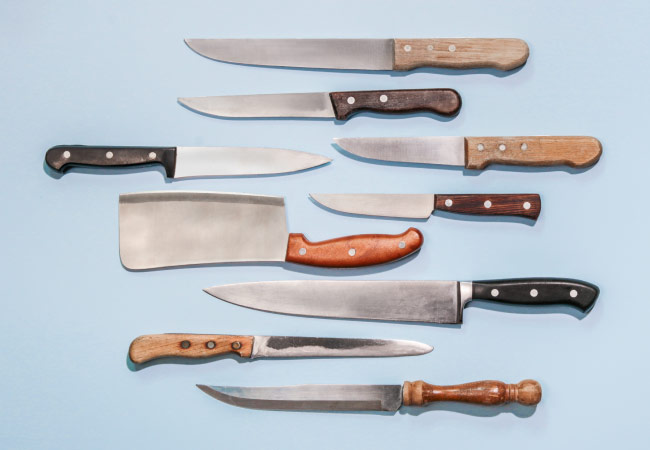
It’s important to know how to pack dishes for moving safely, to avoid injury from sharp objects like knives, and ensure none of your other belongings get punctured during your move!
How To Pack Sharp Knives for Moving
Okay, okay. Packing knives isn’t so simple. It’s very important to package sharp items such as knives extra carefully before a move to ensure none of your other belongings get punctured!
You can still bundle them together; you’ll just need to wrap each one individually — and in extra-thick cushioning — before you do that. You also need to ensure everything is securely taped. You definitely don’t want any knives sliding out of their packaging!
Our suggestion? Wrap all of the knives individually in several sheets of packing paper, and then wrap those bundles up in bubble cushioning roll — or even extra dish towels! There are also special packing devices, like knife rolls and guards, to secure them when moving.
How To Pack China for Moving
Sure, in a perfect world, you would have the original packaging for each piece in your china collection. But that’s just not reality. You know what is real? The sentimental value — and very likely the monetary value. So you want to take extra care of these pieces.
Treat them like you’re treating everything else, but add additional layers of protection. For example, consider wrapping pieces with something soft, like cloths, then several sheets of packing paper, and then a layer of bubble cushioning roll. Overboard? That depends on how special the pieces are to you.
How To Pack Pots and Pans for Moving
Heavy metal cooking equipment should be wrapped in packing paper and placed at the bottom of boxes to prevent damage to other items. This includes:
- Pots
- Pans
- Lids
- Baking dishes
- Bread pans
- Related items, like strainers
Before you start packing other items, though, put some additional packing paper on top of the pots and pans for padding.
If it won’t damage your cookware, nest your pots and pans together with padding between the pieces to save space. You can secure your lids separately. If they are glass lids, wrap them individually, like you did your plates, for added protection throughout the moving process.
After the boxes have been packed, make sure they have all the necessary labels. If a box is heavy, for example, you should label it as such — just like you did with your fragile boxes.
| Pro Tip: Wondering how to pack casserole dishes for moving? Use the same process that you use for bowls. Just try to group the items by size and shape to make the most of your space. And be extra mindful of the weight of your boxes. That weight can definitely add up quickly with casserole dishes! |
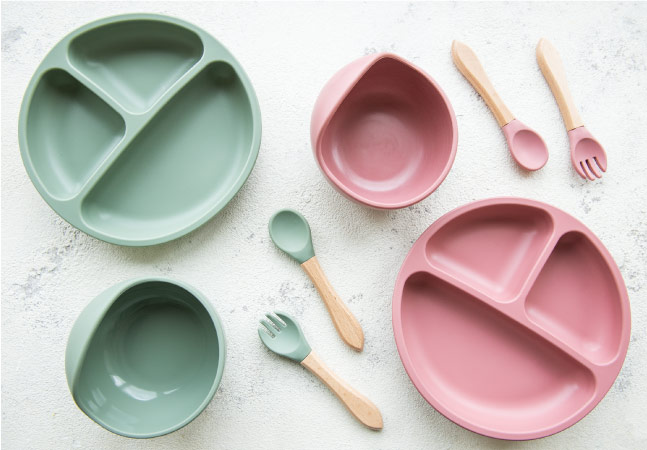
Baby items are typically durable and won’t need to be individually wrapped before packing.
How To Pack Baby Supplies for Moving
If you have a large collection of baby items, such as bottles, plates, and sippy cups, it’s a good idea to keep them all in the same box when moving, so you easily have all of the items in one place. This is especially true if you need to keep everything as sterile as possible. The moving process can be even more stressful when an entire family is involved, especially with a baby. Packing all of your baby items in one place will save you time and tears!
And bonus: Although you can wrap each item individually if you wish, it's not always necessary, since most of these items are meant to be extra durable.
How To Pack Dishes for Moving — FAQs
Q: Should I wrap each dish individually?
A: Yes. Packing everything individually prevents dishes from rubbing against each other. It’s best to avoid this extra friction because it could cause designs to fade or cracks to form, making them even more delicate during transit.
Q: Is it better to wrap plates in paper or bubble wrap?
A: It’s best to wrap fragile items like plates in bubble cushioning roll. Other supplies, such as packing paper, can provide additional support. However, packing paper alone is typically more suitable for items that are not at risk of breaking.
Q: Is it better to pack plates flat or upright?
A: It’s best to wrap all of your dishes and then pack them vertically, as they’re less likely to break that way.
Q: How to pack dishes for moving without paper?
A: Packing paper alone is typically more suitable for items that are not at risk of breaking. Bubble cushioning roll and towels are sturdy and supportive alternatives to paper when it comes to packing dishes — especially fragile ones.
Q: How do I pack kitchenware for moving?
A: The process of packing kitchenware to move involves ensuring the dishes are wrapped properly, secured in the moving boxes, and transported with the utmost care. You can get free moving boxes from tons of places, so don’t feel obligated to pack everything too tightly. Want to know specifics? Keep reading!
Move Your Dishes (and the Rest of Your Things) With PODS
Make your move to a new city flexible with PODS portable moving containers. Have a container delivered right to your driveway for convenient loading on your own schedule — and you can take your time loading, too, with one month’s storage included in the cost of every move. Need help packing up your kitchen? PODS can also refer you to local packing and loading services to help with even the most delicate boxes.
Visit PODS online for a free local moving quote or call 877-350-7637 for long-distance moving.
*This article was written on behalf of PODS Enterprises, LLC (“PODS”). PODS does not warrant the completeness or accuracy of any information contained in this article and disclaims any liability for reliance upon the content herein.

Your quote in 60 seconds
Get pricing tailored to your needs!
Related Articles
9 Packing Tips for Moving: Expert Advice From Influencers and Industry Pros
Packing Tips and Hacks
Read more

How to Wrap Furniture for Moving: A Step-by-Step Guide To Help You Move Like a Pro
Packing Tips and Hacks
Read more

What To Pack First When Moving: The Only Moving Packing List You Need
Packing Tips and Hacks
Read more