
Storage During Home Renovation: Clear the Clutter Without the Stress
Remodeling and Renovation Tips

TL;DR: What Are My Best Options for Storage During Home Renovation The best options for storing furniture during a home renovation are an on-site portable storage container, a self-storage unit, or an unused room in your home. For kitchen or bathroom remodels affecting one or two rooms, driveway storage is often the most convenient option because you can access your belongings without renting a truck or driving to a facility. For whole-home renovations, off-site storage or a larger portable storage setup can help you clear the house completely. |
Storage during home renovation is one of those details people tend to forget until the contractor asks, “So, where’s all this furniture going?” Fun little plot twist, right? Whether you’re planning a kitchen remodel, bathroom renovation, flooring project, or whole-home renovation, your furniture, dishes, rugs, clothes, electronics, and general household chaos need somewhere safe to go before demo starts.
Most renovation guides focus on the exciting stuff — tile, cabinets, paint colors, fixtures, contractor timelines. But the logistics matter, too. This guide covers the best options for furniture storage during renovation, how to choose between on-site and off-site storage, and which option makes the most sense depending on your project size, access needs, and living situation.
| Planning a renovation? Get a free quote from PODS. |
Why Furniture Storage Matters During a Renovation
During a renovation, multiple rooms get emptied, packed, shifted, protected, and eventually put back together. If you plan storage during home renovation early, you can protect your belongings, give contractors space to work, and avoid moving the same sofa six times while pretending this is all “part of the process.” (Check out our storage checklist for helpful tips!)
Construction dust, debris, moisture, paint, and tools can damage furniture, electronics, rugs, textiles, and artwork. Clearing the work zone also gives contractors safer access, which can help the project move more efficiently. Trying to renovate around furniture usually means more delays, more damage risk, and more muttering under your breath while dragging a dresser down the hallway. Again.
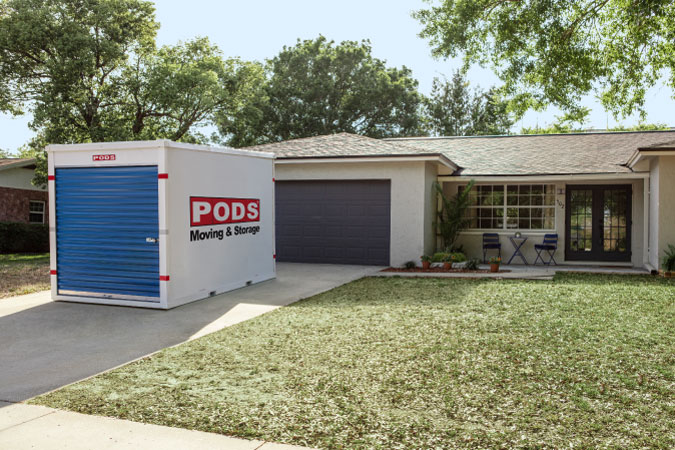
You have options when it comes to storage during home renovations, including an on-site portable container from PODS.
Where To Store Furniture and Other Items During a Renovation: 5 Options
The right storage choice depends on how big the project is, how long it will last, whether you need regular access to your items, and how much space you have at home. Here are the five most practical options.
1. Another Room in the House
Using another room in the house can work for small projects, especially if you’re repainting a bedroom, replacing furniture in one space, or doing a quick single-room refresh. It’s free, easy, and keeps your belongings inside a conditioned space, which is good for wood furniture, upholstery, electronics, and artwork.
The downside? This option falls apart fast once the renovation spreads beyond one room. Construction dust can travel through open doorways, hallways, vents, and HVAC systems, which means your “safe” room may not stay as clean as you hoped. Open-concept homes make this even harder because there may not be a clear way to isolate the work zone.
If you use another room, seal vents when appropriate, close doors, cover items with moving blankets or plastic sheeting, and avoid stacking everything so tightly that you can’t reach anything. This is not the time to create a bedroom-turned-storage-cave; you’ll need a headlamp to navigate.
Best for: Bedroom refreshes, single-room painting projects, or small updates where the room can be fully closed off.
2. The Garage
The garage is tempting because it’s right there, it’s free, and it’s probably already where half your household's “temporary storage” lives. For short projects, it can be a reasonable place to store plastic bins, outdoor furniture, tools, metal shelving, patio items, or anything that is not sensitive to temperature changes.
But garages come with real risks. Heat, cold, humidity, pests, moisture, and dust can damage wood furniture, upholstered pieces, electronics, books, clothing, rugs, and sentimental items. A dry, sealed garage in a mild climate is very different from a damp garage in a humid summer or freezing winter.
Use the garage only if the renovation is short, the space is dry and ventilated, and the items are sturdy enough to handle the conditions. Keep belongings off the floor on pallets or shelving if possible, and cover items to protect against dust.
Best for: Short projects in mild climates and durable items like patio furniture, tools, plastic bins, and outdoor gear.
3. Self-Storage Unit
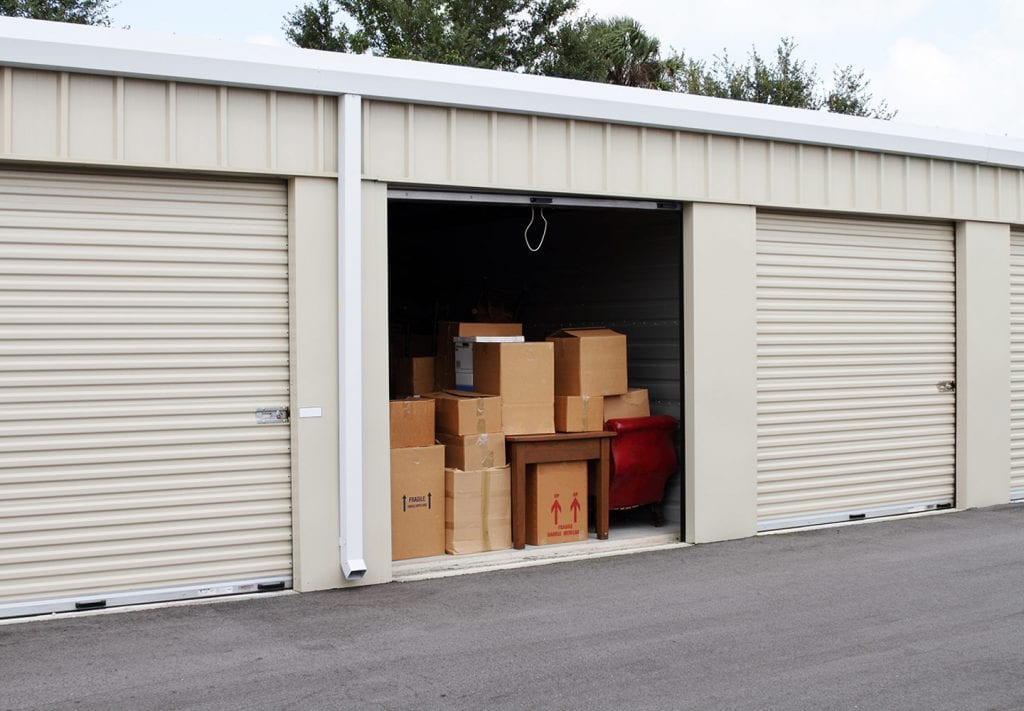
A self-storage unit is a solid option when you do not have driveway space, you want everything off the property, or your renovation is long enough that you do not need frequent access to your belongings. It can be especially useful for whole-home renovations, additions, or projects where the house needs to be fully cleared.
The trade-off is effort. With self-storage, you usually need to rent or borrow a truck, load everything, drive to the facility, unload it, and then repeat the entire process when the renovation is finished. That can add time, labor, gas, truck rental costs, and a second round of “why do we own this much stuff?” to your project.
Climate control is also important. Standard units are typically not climate-controlled, which matters for things like wood furniture, electronics, artwork, instruments, photos, and anything that could warp, crack, or mildew. Ask about access hours, lease terms, security features, and climate control before signing.
Best for: Long renovations, whole-home projects, off-site storage during home remodel projects, and situations where you won’t need frequent access.
4. A Friend or Family Member’s Space
Borrowing space from a friend or family member can work if you only need to store a few boxes, one piece of furniture, or kitchen overflow during a short project. It’s usually free or low-cost, and it can be helpful when your project is small enough that a full storage container or self-storage unit feels like overkill.
The key is to be realistic and respectful. A cabinet swap that takes a few weeks is one thing. Storing your entire dining room in your cousin’s garage for four months might be overstaying your welcome. Renovation timelines slip all the time, so be clear about how long you’ll need the space and what happens if the project runs late.
Also, think about liability. If something gets damaged in someone else’s garage, basement, or shed, you may not have much recourse. Save this option for items that are not fragile, valuable, or irreplaceable.
Best for: A few boxes, small furniture pieces, or short-term storage during a single-room refresh.
5. On-Site Portable Storage Container
An on-site portable storage container is usually the most convenient option for storage during home renovation, especially if you’re staying in the house while work is happening. The container is delivered to your driveway or approved loading area and stays there throughout the project, so you can load furniture, boxes, appliances, and décor without renting a truck or driving across town.
Using storage containers for home renovation works especially well for kitchen remodels, bathroom gut jobs, flooring replacement, and multi-room projects. You can move items out room by room, access things as needed, and keep the work zone clear without giving up your garage, dining room, or every hallway in the house.
A portable container also gives you flexibility if the renovation changes mid-project. If contractors need driveway access, your container may be moved to a storage facility and brought back when you’re ready. For homeowners comparing mobile storage services for home renovation, this is the big advantage: Your stuff can stay nearby, but it does not have to stay in the way.
PODS offers three portable container sizes — 8-ft, 12-ft, and 16-ft. You can rent just one or mix and match to suit any size home remodeling project. (Use these packing and loading tips to get the most out of your container.)
Best for: Kitchen remodels, bathroom renovations, flooring projects, partial renovations, and whole-home projects where you need flexible access.
How To Choose the Best Storage Option for Your Remodel
The best storage setup depends on three things:
- How much of your home is under construction
- How often you’ll need access to your belongings
- Whether you have space on your property.
A single-room refresh may only require a spare bedroom or garage, while a kitchen remodel, flooring project, or whole-home renovation usually needs a more dedicated storage plan.
If you’ll need regular access to dishes, small appliances, clothes, tools, or kids’ items, keeping storage on-site can save a lot of back-and-forth. If the renovation is large, messy, or requires contractors to use the driveway and main living areas, off-site storage may make more sense. The goal is to protect your belongings while keeping the work zone clear enough for contractors to move safely and efficiently.

Your storage needs will vary based on the type of home renovation you’re doing.
Storage Needs by Renovation Type
Storage During a Kitchen Remodel
A kitchen remodel is one of the most disruptive renovations because you have to empty cabinets, clear countertops, move small appliances, and often relocate large appliances. For storage during a kitchen remodel, driveway storage is usually one of the most practical options because you can access pots, pans, serving dishes, and small appliances without driving to a storage unit.
Set up a temporary kitchen in a different room with all the essentials — a mini fridge, microwave, hot plate, coffee maker, and the items you use daily.
Storage During a Bathroom Renovation
A bathroom renovation usually involves fewer belongings than a kitchen remodel, but dust and moisture are still an issue. Move towels, toiletries, cleaning supplies, rugs, linens, and any wood furniture out of the bathroom and nearby rooms before work begins.
For most bathroom projects, a portable storage container, spare room, or closet storage setup can do the job. If the renovation affects multiple bathrooms at once, treat it like a larger household logistics project and clear more space than you think you need.
Storage During Flooring Replacement
Whole-home flooring replacement is one of the biggest storage challenges because every room needs to be cleared. Furniture, rugs, décor, bookshelves, electronics, and beds all need somewhere to go before installers arrive.
For a typical home, portable storage or off-site storage is usually the baseline. If your home is heavily furnished, has a full garage, or includes large sectionals, oversized beds, or office furniture, you may need more than one storage space.
Storage During an Addition or Full Gut Renovation
If you’re doing a whole-home renovation, addition, or full gut project, assume you’ll need significant storage and possibly a temporary place to live. If the project affects your kitchen, bathroom, and bedrooms at the same time, staying in the home may not be realistic.
For whole-home furniture storage during renovation, portable storage, multiple storage containers, or a large self-storage setup may be necessary. Plan early, because figuring out these logistics becomes harder once demolition has started and everything is already covered in dust.
Storage During a Basement or Attic Conversion
Basements and attics are often storage zones before they become renovation zones, which means the first step is clearing them completely. Holiday décor, old furniture, keepsakes, tools, luggage, and mystery bins all need to move before contractors can work.
For these projects, a portable storage container, garage, or spare room may work if the load is manageable. If the space is packed wall-to-wall, use this as your sign from the universe to declutter before storing things you forgot you owned.
Storage During Home Renovation — FAQs
Q: Where do you put furniture during a home renovation?
A: The best places to put furniture during a home renovation are an on-site portable storage container, a self-storage unit, a spare room, or a garage. For smaller projects, an unused room or on-site storage may work well. For major renovations, off-site storage or a dedicated portable storage setup can help keep the house clear.
Q: Where should I store my stuff during a kitchen remodel?
A: For a kitchen remodel, driveway storage is usually one of the most convenient options. You can store dishes, cookware, small appliances, pantry overflow, and extra furniture nearby while keeping the kitchen clear for contractors.
Q: How do I store belongings during construction?
A: Store belongings during construction by clearing the work zone completely, wrapping furniture, boxing smaller items, labeling everything by room, and keeping daily-use items separate. Avoid storing sensitive items like electronics, wood furniture, and artwork in garages or other unconditioned spaces.
Q: Is a portable storage container or self-storage better for a renovation?
A: A portable storage container is usually better if you want access to your belongings and have driveway space. Self-storage is better if you need to clear the property entirely or do not need access during the renovation.
Q: What should I move out before a renovation starts?
A: Move out furniture, rugs, electronics, artwork, textiles, fragile items, and anything contractors will need to work around. For kitchen remodels, empty cabinets, drawers, countertops, pantry items, and small appliances before demo begins.
Q: Is it better to store renovation items on-site or off-site?
A: On-site storage is usually better if you’ll need regular access to your belongings during the remodel. Off-site storage makes more sense for major renovations, long timelines, or projects where contractors need the driveway, garage, or main living areas clear.
Q: Can I stay in my home during a renovation if I use storage?
A: Yes, you can often stay in your home during a renovation if the project is limited to one or two areas and your essentials remain accessible. If the renovation affects your kitchen, bathroom, and bedrooms at the same time, storage alone may not be enough — you may need temporary housing.
Q: How do I protect furniture from construction dust?
A: Protect furniture from construction dust by moving it out of the work zone, wrapping it in moving blankets or plastic wrap, and storing it in a sealed room, storage container, or climate-controlled unit. Dust travels farther than most people expect, so do not rely on distance alone to protect furniture.
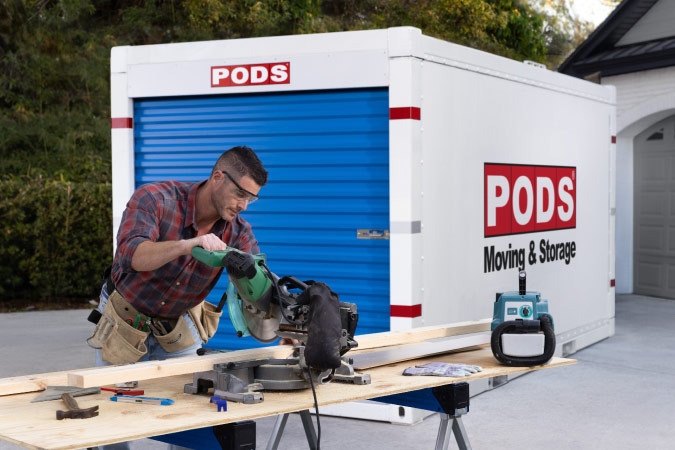
Having a PODS portable container right in your driveway makes for convenient and flexible storage during home renovations.
How PODS Helps With Storage During Home Renovation
Make the process of remodeling your home flexible with a portable moving container from PODS. Have the container delivered right to your driveway, where you can load your belongings on your own schedule. For kitchen remodels, bathroom renovations, flooring projects, and other home updates, that means your belongings can stay nearby while the work zone stays clear. Need help with the heavy lifting? PODS can even refer you to local packing and loading services.
Visit PODS online for a free quote, and check out more tips on moving and storage on the PODS Blog.
*This content was refreshed with the assistance of artificial intelligence. It was then fact-checked, proofread, and edited by the real-life intelligence of the PODS Blog team. PODS however does not warrant the completeness or accuracy of any information contained in this publication and disclaims any liability for reliance upon the content herein.

Your quote in 60 seconds
Get pricing tailored to your needs!
Related Articles
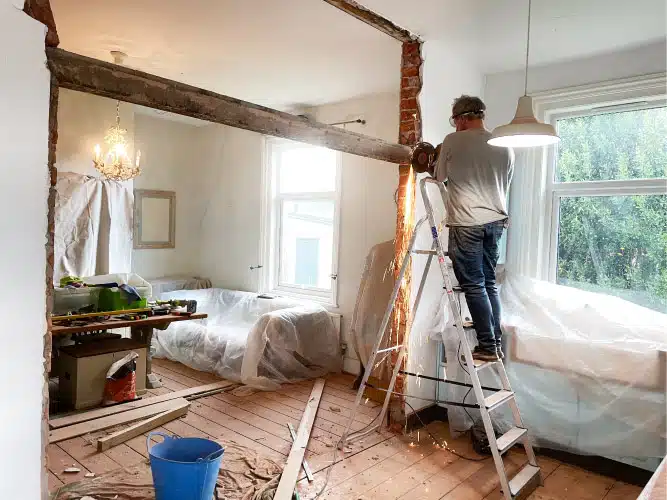
Home renovations in your future? Here’s how to get the best results — and ROI!
Remodeling and Renovation Tips
Read more

How Much Does It Cost To Remodel a House? Here’s the Step-By-Step Breakdown
Remodeling and Renovation Tips
Read more

Home learning space makeover tips: From pinworthy to practical
Remodeling and Renovation Tips
Read more