
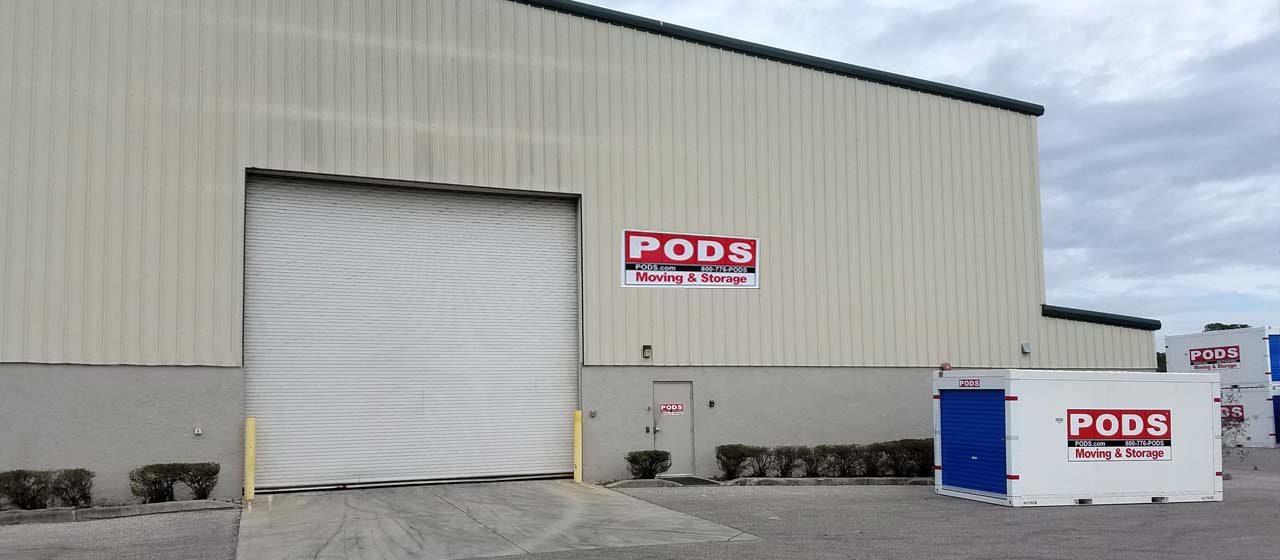
Tout sur l’entreposage climatisé
Got climate control questions? We've got answers.
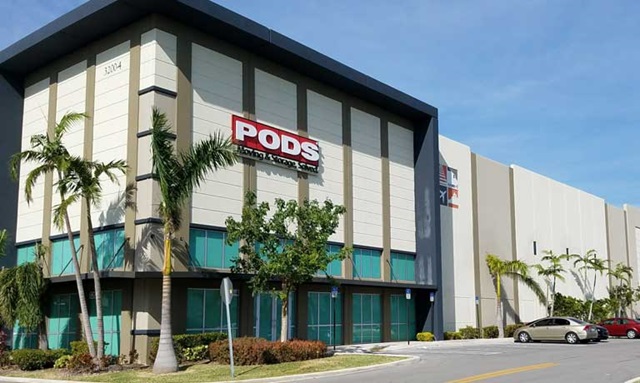
Qu’est-ce que l’entreposage climatisé?
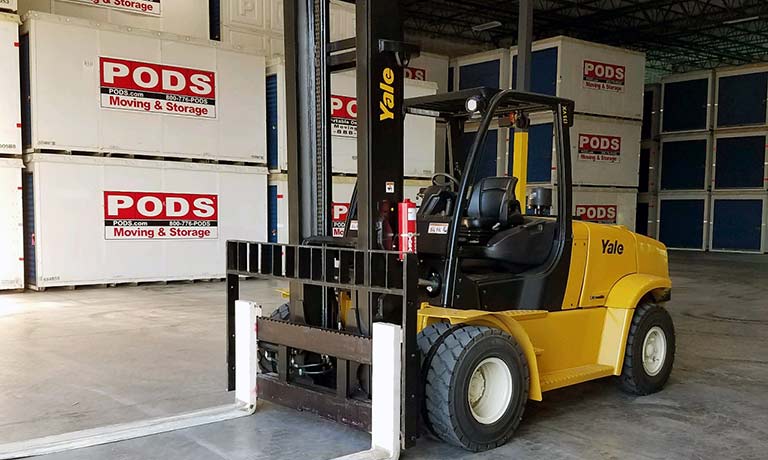
Quelle est la différence entre l'entreposage climatisé et l'entreposage à température contrôlée?
Ai-je besoin d’un entreposage climatisé?
Bien que la popularité de l’entreposage climatisé semble augmenter, il se peut que celui-ci ne soit pas nécessaire et ne justifie pas son coût supplémentaire, en fonction de ce que vous entreposez, de la saison et des conditions météorologiques de votre région.
Certains articles pouvant nécessiter un environnement climatisé sont notamment les objets d’art, les tissus délicats ou antiques, les objets en papier tels que les livres et les journaux, les appareils électroniques, les disques, les albums et les meubles en bois anciens. Veuillez noter que PODS ne recommande pas l’entreposage d’objets de valeur tels que des objets d’art ou de denrées périssables, et notre contrat de location stipule que nous n’autorisons pas ces articles à être entreposés dans les conteneurs PODS.
Si vous transportez vos articles en plus de les entreposer, n’oubliez pas qu’ils ne seront pas protégés par la climatisation durant le transport. Par conséquent, même si vous choisissez de payer un supplément pour un entreposage climatisé, vos articles peuvent être exposés à des températures et à des taux d’humidité en dehors de la normale.
N’oubliez pas que le taux d’humidité maximal dans un entreposage climatisé est de 55 %. Des articles spécifiques tels que les articles en papier et certains métaux seraient mieux entreposés dans un environnement où le taux d’humidité est inférieur à 55 %. Le fait que vous optiez pour un entreposage climatisé ne garantit donc pas la protection de ces objets.
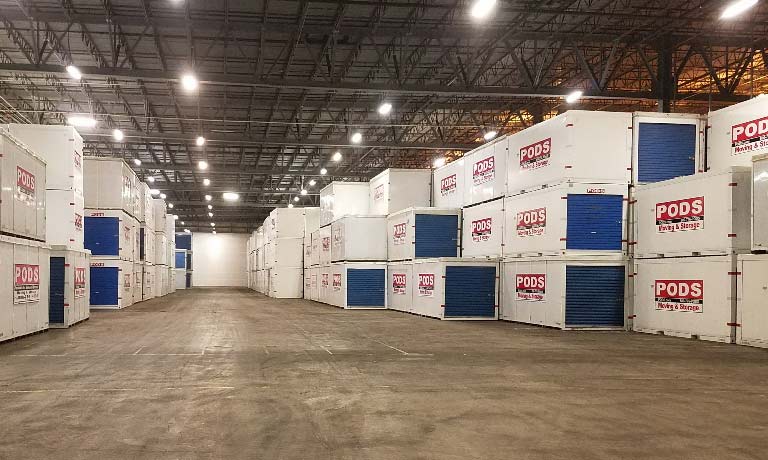
Quelle est l’importance de la ventilation de l’entrepôt?
How do I prevent mold and mildew damage to items in indoor storage?
The best way to prevent mold and mildew damage is to take action prior to putting your items in storage.
Inspect your items before you store them.
Before you put them into storage, make sure to carefully inspect all items for moisture or mold and mildew. Everything should be 100% dry. One single damp item could spread mold throughout your storage unit.
Avoid loading your items during rainy weather.
Nothing is worse than moving in the rain, except having mold spread through all your prized possessions. Even just a single damp item could wreak havoc on your belongings.
Store your container at a PODS Storage Center.
Although PODS containers can offer excellent protection for your belongings on your property, if you need to store for more than a few weeks, we recommend keeping your container at a PODS Storage Center.
Protect individual items with blankets and plastic.
Rather than leaving items exposed in your storage container, wrap them individually with moving blankets or plastic wrap, or place them in plastic storage bins. This can prevent the spread of mold in case one of your items is damp or carries mold spores.
Consider using desiccants.
You can purchase moisture absorbers from your local hardware store. Make sure to read the label carefully, as desiccants are usually only effective for a certain number of days or amount of square footage. They usually need to be swapped out for new ones frequently.
What Should I Watch Out For When Considering Climate-Controlled Storage?
If you’re certain that you need climate-controlled storage, it’s important to be aware that there is no official industry standard for, or regulation of, climate control. Unfortunately, many indoor storage facilities may advertise their storage units as “climate-controlled,” but their efforts to control climate and temperature may be limited to just running a fan in their facilities (no joke!). Make sure to ask storage facilities for their specific temperature and climate standards and what they do to ensure their units stay within these guidelines. If possible, get this information in writing.
Even when an indoor storage unit is advertised legitimately as climate-controlled, storage center owners may not be legally responsible for damage to items. Read your storage lease agreement carefully! You are likely to find a statement that says although the storage facility makes reasonable efforts to avoid temperature extremes, they are not responsible for damaged items.
Aside from asking your storage company lots of questions, the single most important thing you can do to ensure your items are protected from mold and mildew would be to carefully inspect your storage unit, along with every single item that you’re storing, for moisture or mildew before you load your belongings.
Does PODS Offer Climate-Controlled Storage
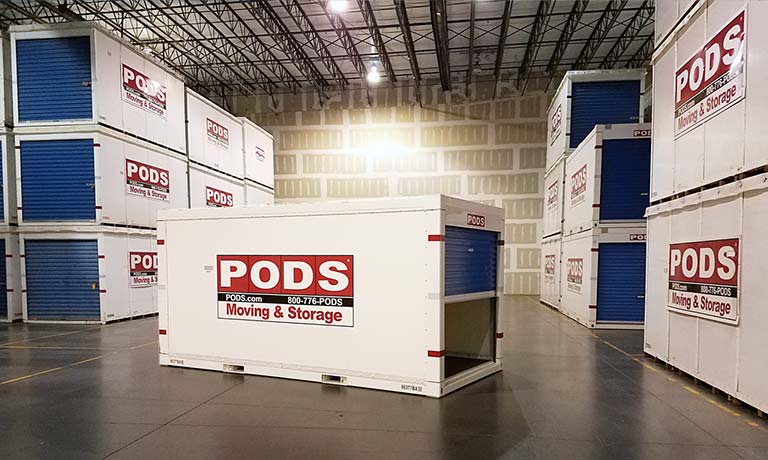
While PODS doesn’t strictly follow climate control standards, our secure indoor storage facilities and sturdy, steel-frame containers are designed to keep your items protected from the elements. In fact, when you store your container at a PODS Storage Center, you get a “double layer” of protection – the container plus our facilities – further reducing the risk of water damage and exposure to pollen and other air contaminants. When you move with PODS, you can trust us to deliver with care because nearly 99% of our deliveries are claim-free.
Additionally, unlike conventional self-storage facilities, PODS Storage Centers are not open to the public. Access to your container is available by appointment only. And unlike warehouses used by full-service moving companies, only you have the key to your PODS container to access your belongings.
More storage resources
Liste de vérification pour l’entreposage
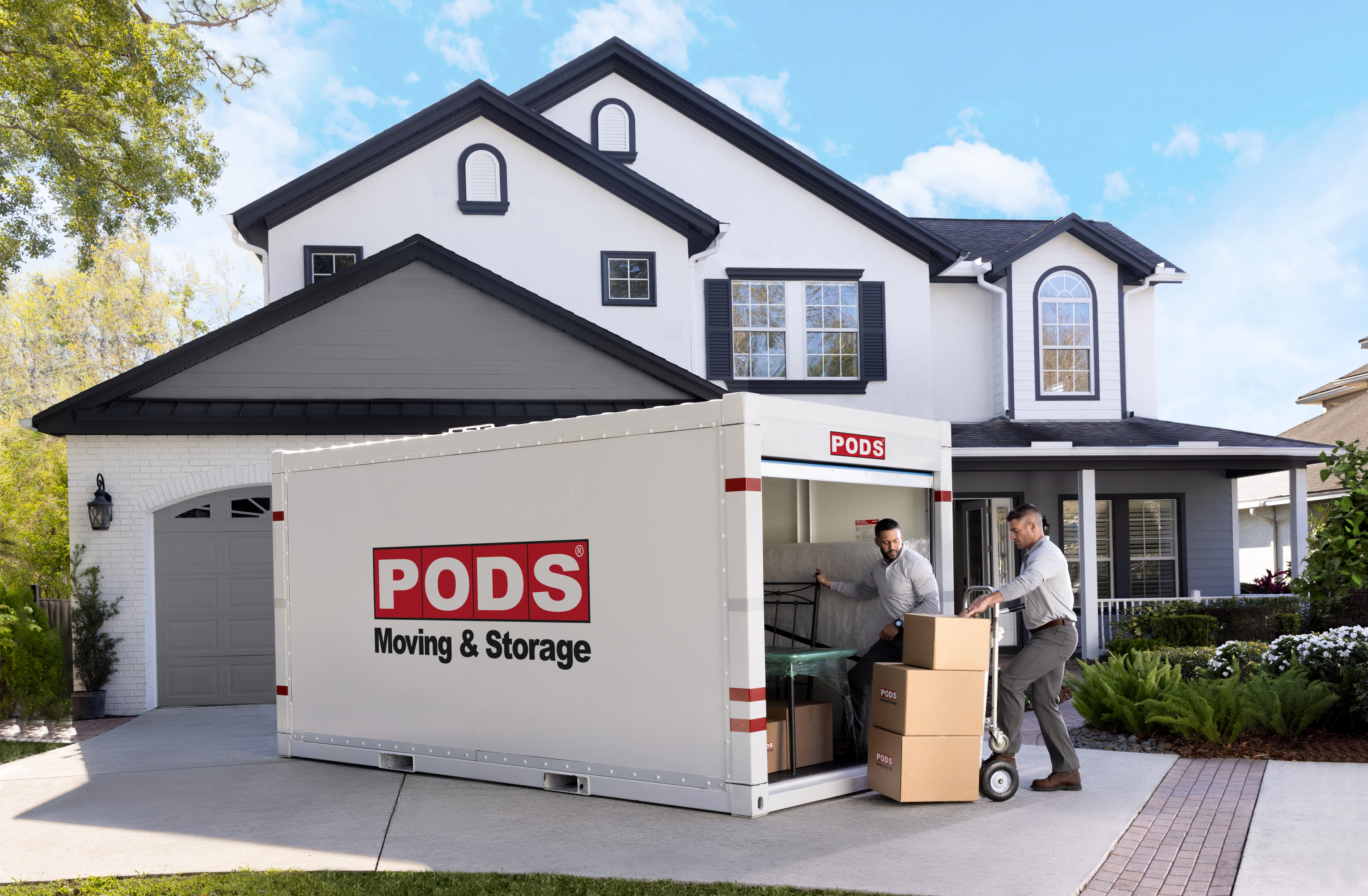
Vidéos et astuces pour l’emballage et le chargement
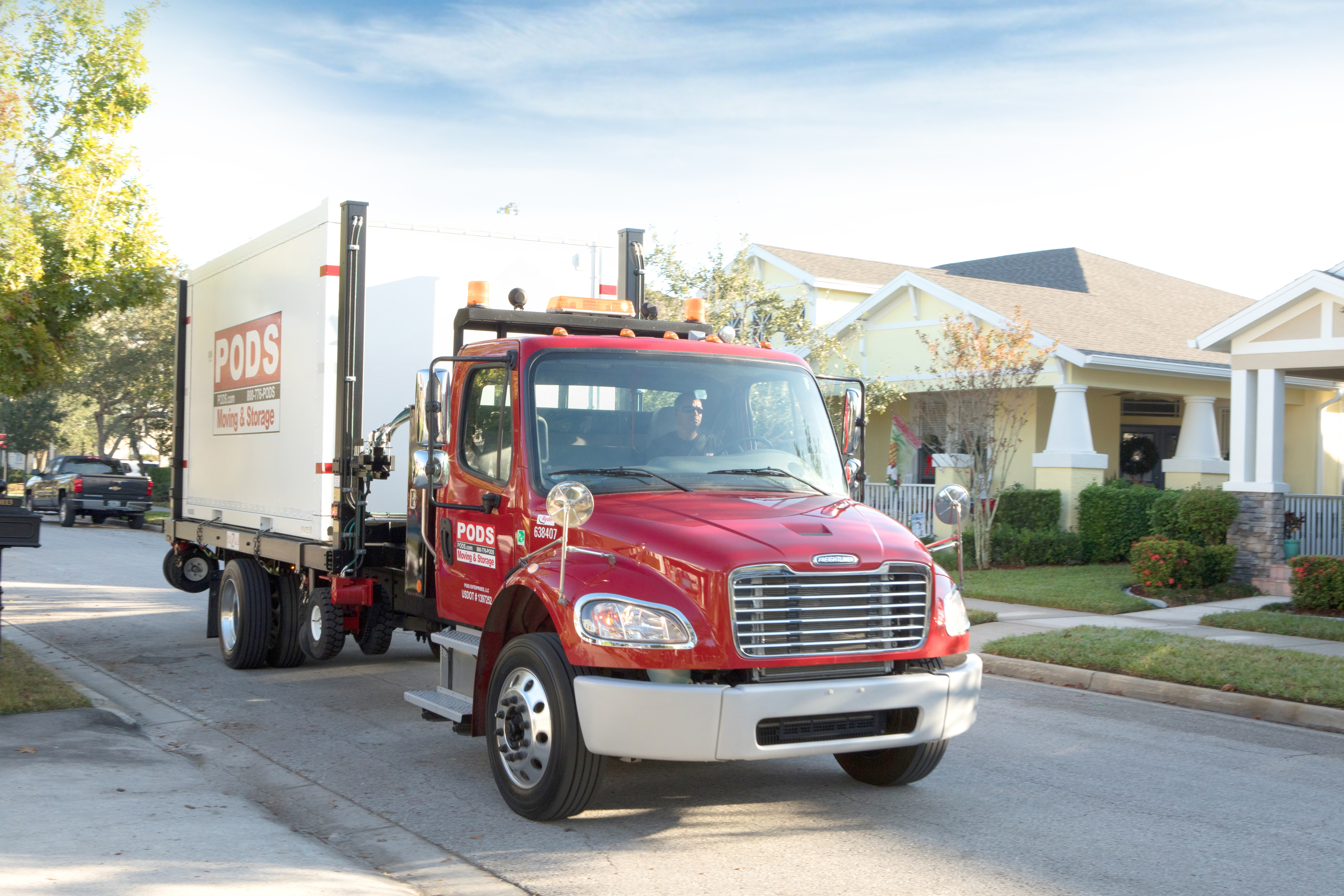
Liste de vérification de déménagement
Allez-vous entreposer dans le cadre d’un déménagement? Assurez-vous de mettre les points sur les i avec notre liste de vérification de déménagement.
Liste de vérification pour l’entreposage
Vidéos et astuces pour l’emballage et le chargement
Liste de vérification de déménagement
Allez-vous entreposer dans le cadre d’un déménagement? Assurez-vous de mettre les points sur les i avec notre liste de vérification de déménagement.