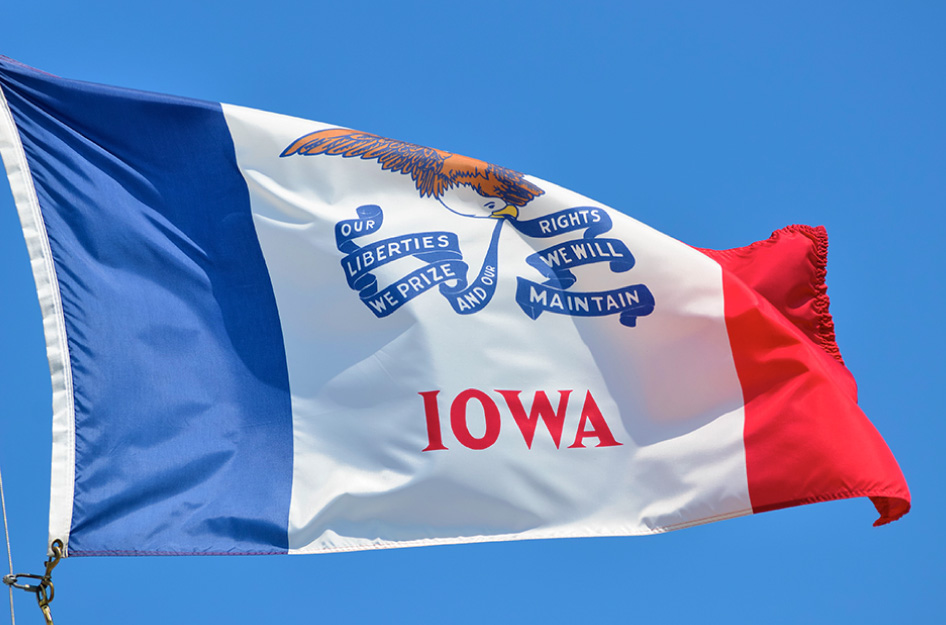
Iowa has a way of winning people over. With highly rated schools, easy commutes, and a cost of living that's easier on your wallet than many other states, it's no surprise more people are calling the Hawkeye State home. Whether you're dreaming of wide-open spaces or prefer to stay close to the action, Iowa makes it easy to have both. You can settle into a peaceful small town and still be within a reasonable drive of vibrant hubs like Des Moines or Iowa City for great dining, entertainment, and culture. Of course, no place is perfect. Before you pack the moving boxes, let's take a closer look at the real pros and cons of living in Iowa.
| Planning a move to Iowa? Start by getting a free moving quote from PODS. |
Iowa at a Glance
- Population: Iowa’s population is around 3.2 million.
- Median age: The overall median age in Iowa is close to 39 years.
- City size: Iowa’s total area is about 55,853 square miles.
- Location: Iowa is located in the upper Midwest of the United States.
- Fun fact: Iowa might be landlocked, but there’s plenty of freshwater to enjoy. It’s the only state in the U.S. to be bordered by two major rivers: The Mississippi to the east and the Missouri to the west.
20 Things To Know About Living in Iowa
Is Iowa a good place to live? Yes, living in Iowa offers the best of classic Midwest living: A budget-friendly cost of living paired with a quality of life that’s hard to beat.
1. Iowa’s Cost of Living Is Very Affordable
As one of the most affordable states in the U.S., Iowa’s cost of living is a major draw. The state has a cost of living score of 80.1, which is almost 20 percent lower than the national average index of 100.
According to MIT’s Living Wage Calculator, a family of four living in Iowa with both adults working should make at least $102,200 annually before taxes to cover basic living expenses. A couple without children should make roughly $60,500, and a single person should make at least $44,300.
2. The Pros and Cons of Living in Iowa Offer Big Perks With a Few Trade-Offs
Living in Iowa offers a high-quality lifestyle, but like anywhere, it comes with a mix of upsides and downsides.
Pros of Living in Iowa
- Affordable cost of living
- Safe communities
- Easy commutes
Cons of Living in Iowa
- Natural disasters
- Lack of urban amenities
- Rural isolation
3. The Current Housing Market in Iowa Reflects More of a Balanced Environment
Iowa's housing market has shifted toward balance and stability in 2026. Inventory has improved, and home prices remain within reach despite an almost four percent increase. Iowa’s average home price sits at $224,800.
Iowa’s homes are diverse, blending historic charm with modern functional designs. Modern farmhouses are one of the most dominant styles, followed by contemporary, mid-century modern, and modern ranch.
4. Iowa’s Rental Market Reflects the Same Affordability As the Housing Market
Iowa's rental market is budget-friendly, with stable, low-growth pricing. The average rent for an apartment sits right around $1,225, a 1.5 percent decrease from the previous year. One-bedroom apartments average about 700 square feet and won't strain your budget, while two-bedroom apartments offer roughly 975 square feet — a wallet-friendly fit for small families.
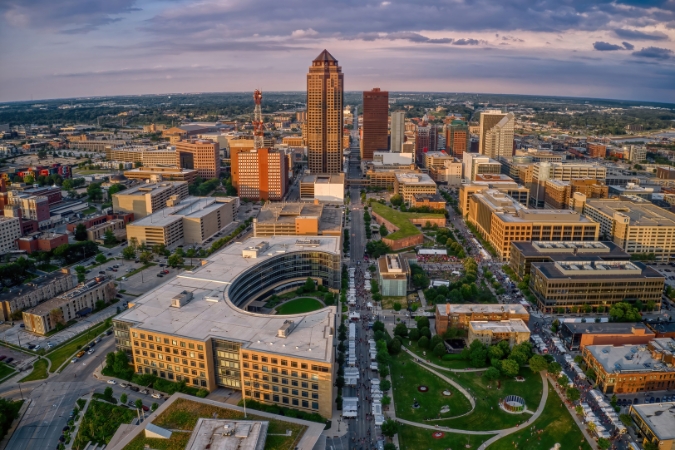
Of the many places to live in Iowa, Des Moines stands out for its strong job market and thriving entertainment scene.
5. The Best Places To Live in Iowa Combine Mid-Sized City Amenities With Midwestern Hospitality
Iowa’s top cities stand out for their distinct cultural identities, specialized job markets, and top-tier school systems. The best cities to settle down in Iowa include:
- Des Moines: Ranked as one of the best places to live for young professionals in recent years, the strong job market, cultural events, and numerous entertainment options of Des Moines make it the perfect city for singles, young adults, and professionals.
- Davenport: The welcoming community of Davenport is a hotspot for families with an abundance of annual cultural events and parks.
- Cedar Rapids: Even though Cedar Rapids is the second-largest city in the state, it offers a small-town vibe ideal for retired living, with a walkable downtown core and plenty of arts, culture, and live music.
- Iowa City: Home to the University of Iowa, this college town blends a youthful energy with a walkable, historic downtown, making it a great fit for students, academics, and anyone drawn to a lively arts and literary scene.
6. Iowa’s Crime Rates Remain Significantly Low
Considered one of the top 15 safest states in the U.S., crime is not much of a worry in daily Iowa life. The state’s total crime rate is just 15.4 per 1,000 residents, with an average of 2.43 violent crimes per 1,000 residents and 12.97 property crimes per 1,000 residents.
7. The Best Things To Do in Iowa Offer a Mix of Outdoor Adventure and Unique Attractions
Iowa’s beautiful landscape provides a lot of things to do for outdoor enthusiasts, but the state is also known for its unique historic sites and specialty museums. Some of the best things to do in Iowa that you’ll want to check off your bucket list include:
- Maquoketa Caves State Park: Bring a flashlight and hike (or crawl) through a trail system that features the most caves compared to any other state park in Iowa.
- Visit Okoboji: This city is a premier summer destination for boating and fishing in the Iowa Great Lakes region.
- Field of Dreams Movie Site: A nostalgic tourist attraction where visitors can explore the set of this famed baseball movie and play some catch or run the bases.
- Herbert Hoover Presidential Library and Museum: Explore the life of Iowa’s only president through historic site grounds and a museum.
- Iowa 80 Trucking Museum: Check out the history of trucking at this large museum that showcases rare vintage trucks.
8. Iowa Hosts Some of the Best Events and Festivals in the U.S.
Iowa hosts some of the largest and most unique festivals in the U.S., with a jam-packed calendar drawing in millions of regional and even international visitors. Some of the state’s signature events include:
- Iowa State Fair: Held in Des Moines, the Iowa State Fair is one of the top in the nation. It attracts over a million visitors each year, and it’s world-famous for its food on a stick options.
- RAGBRAI: Short for the “Register’s Annual Great Bicycle Ride Across Iowa,” RAGBRAI is one of the largest recreational bicycle touring events in the world. Bicyclists traverse the state from the Missouri River to the Mississippi River every July.
- Tulip Time: This three-day festival is held in May to celebrate Dutch heritage. Frolic in hundreds of thousands of blooming tulips and learn all about Dutch history.

From legendary breaded pork tenderloins to award-winning fine dining, restaurants in Iowa serve up flavors rooted in the state's rich agricultural heritage.
9. The Culinary Scene in Iowa Is Deep-Rooted in Agricultural Staples
Iowa’s culinary scene offers a blend of agricultural staples and a growing fine-dining landscape. The state is known for being the country’s No. 1 producer of pork, which is the anchor of most menus. Breaded pork tenderloin is considered the official sandwich of Iowa — the only downside is that the slab of meat is so massive that it hardly fits right on a bun!
There are several award-winning restaurants in Iowa, such as Prime and Providence in West Des Moines, a restaurant renowned for its live-fire cooking and Japanese beef offerings, like Wagyu and Kobe.
10. Collegiate Sports & Minor League Teams Make Up Iowa’s Sports Culture
Iowa comes with a loyal collegiate sports following, and a thriving minor league system.
The University of Iowa (Hawkeyes) and Iowa State University (Cyclones) are considered the primary sports hubs. The University of Iowa is a national powerhouse in wrestling, while both the Hawkeyes and Cyclones maintain high-profile basketball programs.
Successful professional affiliate teams in Iowa include the Iowa Cubs (MiLB affiliate of the Chicago Cubs) and the Iowa Wild (AHL affiliate of the Minnesota Wild).
11. Iowa’s Job Market Is in a Good Place
The job market in Iowa is characterized by a low unemployment rate and a diverse employment landscape. The state’s unemployment rate is 3.3 percent, compared to the national rate of 4.3 percent.
Advanced manufacturing is the state’s largest industry, accounting for 17 percent of the state’s gross domestic product (GDP). Other large industries include bioscience, finance and insurance, and information technology.
Looking for a job in one of these fields? The state’s largest employers include: Collins Aerospace, Principal Financial Group Inc., and the University of Iowa Hospitals & Clinics.
12. The Education Landscape in Iowa Is Defined by High-Performing Public Schools & Higher Education
Families moving to Iowa can rely on many top-tier school districts throughout the state to provide quality education for their children. The top three school districts in Iowa, according to Niche, are:
- Pleasant Valley Community School District
- Gilbert Community School District
- MOC-Floyd Valley Community School District
Looking for higher education opportunities? Both the University of Iowa and Iowa State University have high national rankings.
13. Public Transportation in Iowa Varies
Iowa’s public transit system is primarily bus-based and is run by the Iowa Public Transit Association (IPTA). Residents living in the state’s major cities can rely on the most robust public transit.
The Des Moines Area Regional Transit Authority (DART) offers 10 main routes and provides service seven days a week, with routes that meet at the DART Central Station. Options are more limited for regional and intercity travel, but major providers like Greyhound Lines and Jefferson Lines maintain routes that connect rural Iowa to urban hubs. It’s pretty safe to say you’ll need a car to get around most areas of the state.

Iowa life comes with wide-open roads and easier commutes, making getting around the state a breeze.
14. Iowa Is One of the Best States for Driving
Iowa is, luckily, pretty car-friendly. In fact, it’s been ranked the second-best driving state in the U.S., according to WalletHub.
Traffic congestion can become a significant problem for commuters who drive a car to work, and fortunately for Iowa residents, less than a quarter of the state’s urban interstates in Iowa experience congestion during peak hours.
15. Year-Round Iowa Weather Offers a True Four-Season Experience
Offering a typical Midwestern four-season climate, Iowa has seasonal variations throughout the year. Winters are very cold, although snowfall isn’t as extreme as other states in the Midwest.
Winter temperatures usually average between 14 and 20°F depending on where in the state you’re residing. Summers are warm, though humidity can raise the heat index. In July, the average temperature typically falls in the mid 80s.
16. Iowa’s Spot in Tornado Alley Means It’s Prone To Weather Disasters
Iowa sits within Tornado Alley, which means residents should be prepared for a real severe weather season. Floods are the most common hazard, along with extreme heat, severe thunderstorms, and tornadoes — with activity peaking between March and August.
17. Iowa Is an Underrated Retirement Destination
Iowa is very tax-friendly for retirees. The state has eliminated taxes on most major sources of retirement income — including distributions from 401(k)s, IRAs, pensions, and other retirement income sources. The state has also simplified its tax structure by implementing a flat tax rate of 3.8 percent.
Iowa also has many beautiful lakefront and riverside beaches that retirees love, like Ainsworth-Orleans Beach. The state’s major cities like Cedar Rapids and Des Moines also offer plenty of cultural activities and fine dining to explore in your golden years.
18. Iowa Cities Maintain Vibrant Nightlife Scenes
Although most of Iowa’s rural communities have nightlife consisting of local dive bars, major cities like Des Moines and Iowa City maintain an energetic and vibrant nightlife scene.
As the state’s largest city, Des Moines offers a diverse nightlife scene centered around key districts such as Historic East Village, home to retro arcade bars like Up-Down. Iowa City’s nightlife is student-oriented because of the University of Iowa, with high-energy dance clubs like Roxxy.
19. Gardeners Living in Iowa Can Take Advantage of the Rich Soil (And Plenty of Fresh Produce)
If you have a green thumb, then you’re moving to a true gardener’s paradise. The state is an agricultural powerhouse and possesses some of the most fertile topsoil in the world, also known as Mollisols.
Because gardening is so prominent in Iowa, the local food culture is abundant with fresh produce. The Des Moines Downtown Farmers’ Market is one of the best farmer’s markets in the country, running from early May to late October.
20. Iowa’s Central Midwest Location Makes for Fun Day Trips
Iowa’s central location in the Midwest makes it an excellent hub for both in-state and out-of-state day trips. The capital city of Des Moines is located at the intersection of two major cross-country interstates, I-80 and I-35, providing direct access in all four cardinal directions.
Major Midwestern metropolitan areas you can easily reach from Des Moines include:
- Omaha, Nebraska: 2-hour drive
- Kansas City, Missouri: 3-hour drive
- Minneapolis, Minnesota: 3-hour and 30-minute drive
Living in Iowa — FAQs
Q: What salary do you need to live comfortably in Iowa?
A: A single person should make an annual income of at least $47,300 to cover basic living expenses. To maintain a comfortable lifestyle that follows the 50/30/20 budgeting rule, where 50 percent of your income goes to living expenses, 30 percent goes to wants, and 20 percent goes to savings or debt payoff, you’ll need to double that — so $94,600.
Q: Is $100,000 a good salary in Iowa?
A: Depending on your lifestyle, yes, $100,000 is a great salary in Iowa. Families with children will need to make more than that to live comfortably, though.
Q: What are the main reasons people leave Iowa?
A: People may leave Iowa for better wages or new job opportunities.
Q: What are the main reasons people move to Iowa?
A: People move to Iowa because of its affordability, family-friendly environment, and outdoor appeal.
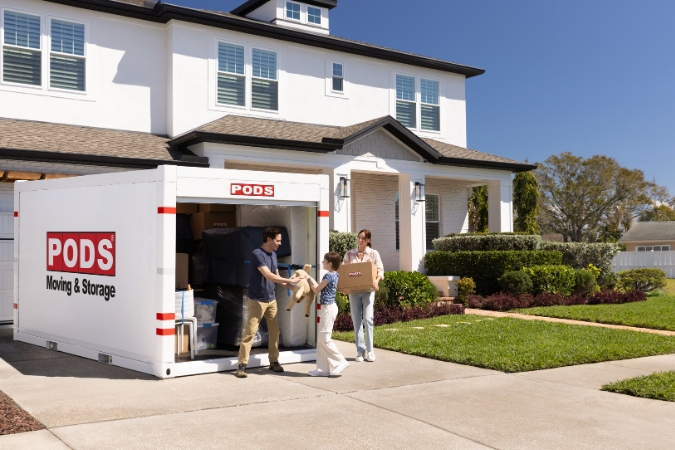
Living in Iowa begins with a flexible move using PODS portable containers, convenient storage, and optional loading assistance.
Moving to Iowa With PODS
Make your move to Iowa flexible with the help of PODS portable moving containers. Have a container delivered right to your driveway, where you can load it on your own schedule. If you need any help with the heavy lifting, PODS can also connect you to local packing and loading assistance. Once you’re ready, have your container picked up and delivered right to your new Iowa home, or kept in a PODS Storage Center until you’re ready for it.
Visit PODS online for a free local moving quote or call 877-350-7637 for long-distance moving.
Editor’s note: For ease of reading, monthly rental prices were rounded to the nearest $25 and home values were rounded to the nearest $100. Home values in the millions were rounded to the nearest $100,000.
*This article was written on behalf of PODS Enterprises, LLC (“PODS”). PODS does not warrant the completeness or accuracy of any information contained in this article and disclaims any liability for reliance upon the content herein.

Your quote in 60 seconds
Get pricing tailored to your needs!