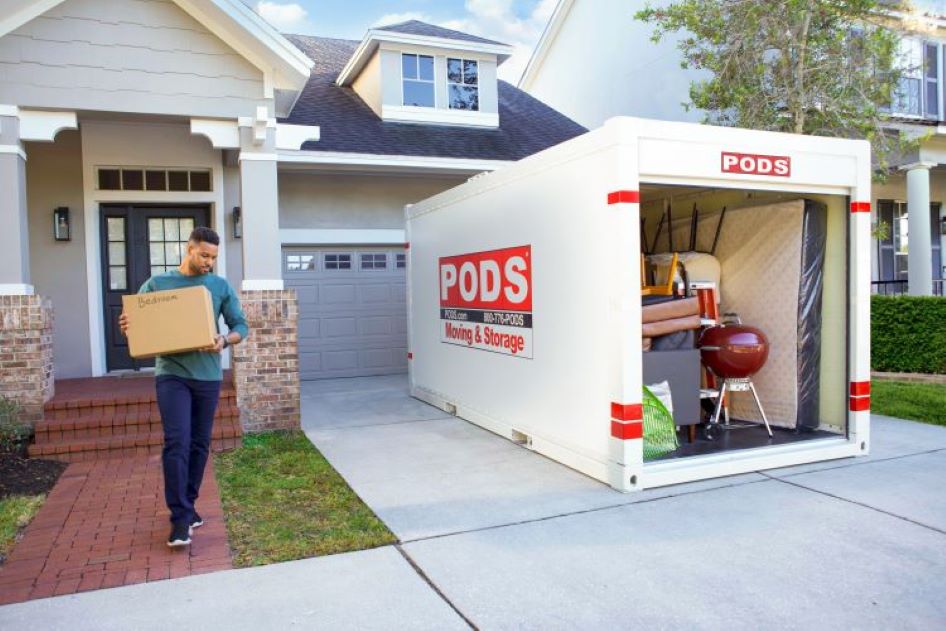
Moving on a Budget: How to Cut Costs Without Cutting Corners
Moving Tips and Hacks

TL;DR: Moving on a Budget
|
Let’s be totally honest: Moving easily becomes a wallet-drainer. Between the deposits, the pizza for your “volunteer” friends, and the actual transport, the cost of moving can spiral quickly. But here’s the good news: Moving on a budget doesn’t mean you have to sell your soul (or all your furniture) to get from Point A to Point B.
The secret sauce to budget-friendly moving is strategy. It’s about knowing where to splurge and where to save. Whether you’re crossing city lines or state lines, the goal is to keep your bank account in the green while your life is in a hectic transition. Smart planning starts with browsing the moving essentials to understand your logistics.
The Real Cost of Moving: What’s Driving the Bill?
Before you can save money, you have to know where it’s going. Generally, your price tag is determined by three main factors: Volume, distance, and timing.
For instance, the cost of moving cross-country involves more than just a truck. You’re looking at lodging, meals, and thousands of miles of diesel fuel, which averages about $5.21 per gallon as of June 2026. To get a head start, you should secure accurate moving cost estimates at least two months before your move date. This allows you to compare moving methods — like full-service movers vs. the do-it-your-way container — to see which fits your financial reality. Choosing a flexible solution can help mitigate the high average cost of moving company labor.
Pro Answer: What Is the Cheapest Way to Move on a Budget? The cheapest way to handle moving on a budget is usually to combine DIY packing with portable moving containers. Portable containers often cost less than full-service movers while providing more flexibility than truck rentals, especially when storage is needed. |

The cost of moving can add up fast, so we’ve crunched the numbers to help you plan ahead.
By the Numbers: Moving Cost Comparison
To help you stay on track while moving out on a budget, here are the estimated numbers for common routes across three distinct moving types.
Cross-Country Moving Estimates
| Moving Route (Miles) | PODS (includes transport and 1-month storage) | Rental Truck (plus fuel costs) | Full-Service Movers (includes transport and loading/unloading) |
|---|---|---|---|
| Miami to L.A. (2,730) | $4,891–$7,031 | $1,897–$4,250 | $4,126–$8,139 |
| NYC to L.A. (2,790) | $4,515–$6,491 | $2,087–$4,491 | $4,396–$8,153 |
| NYC to San Francisco (2,900) | $4,891–$7,031 | $2,067–$5,493 | $4,482–$9,176 |
| Miami to San Francisco (3,050) | $5,402–$7,765 | $2,656–$4,587 | $4,559–$8,909 |
*Based on estimates from PODS and MoveBuddha for a 2-3 bedroom household (800-1,200 sf) as of May 2026; costs don’t include insurance or taxes. Prices will vary based on specific locations, dates, size of household to be moved, and available discounts. For a detailed quote, call PODS at 877-706-4758.
Long-Distance Moving Cost Estimates
| Moving Route (Miles) | PODS (includes transport and 1-month storage) | Rental Truck (plus fuel costs) | Full-Service Movers (includes transport and loading/unloading) |
|---|---|---|---|
| Miami to Orlando (236) | $1,415 – $2,122 | $329 – $650 | $1,526 – $4,611 |
| Atlanta to Nashville (250) | $1,712 – $2,569 | $363 – $747 | $1,782 – $5,166 |
| Phoenix to Las Vegas (301) | $1,901 – $2,852 | $400 – $792 | $1,923 – $5,419 |
| Denver to Salt Lake City (519) | $2,683 – $4,025 | $563 – $1,085 | $2,661 – $6,476 |
*Based on estimates from PODS and MoveBuddha for a 2-3 bedroom household (800-1,200 sf) as of May 2026; costs don’t include insurance or taxes. Prices will vary based on specific locations, dates, size of household to be moved, and available discounts. For a detailed quote, call PODS at 877-706-4758.
Local Moving Cost Estimates
| Moving Route (Miles) | PODS Local Storage Center (includes transport and 1-month storage) | PODS Local Onsite (includes transport and 1-month storage) | Other Options |
|---|---|---|---|
| Minneapolis to St. Paul (12) | $579–$868 | $441–$671 | Full-Service Movers: $817–$2,785 Rental Truck (+ fuel): $49–$125 |
| San Jose to Palo Alto (18) | $612–$918 | $499–$749 | Full-Service Movers: $803–$2,732 Rental Truck (+ fuel): $49–$125 |
| Raleigh to Durham (25) | $462–$692 | $372–$559 | Full-Service Movers: $793–$2,400 Rental Truck (+ fuel): $48–$118 |
| Dallas to Fort Worth (32) | $607–$910 | $431–$647 | Full-Service Movers: $811–$2,524 Rental Truck (+ fuel): $50–$120 |
*Based on estimates from PODS and MoveBuddha for a 2-3 bedroom household (800-1,200 sq. ft.) as of May 2026; costs don’t include insurance or taxes. Prices will vary based on specific locations, dates, size of household to be moved, and available discounts. For a detailed quote, call PODS at 877-706-4758.
Tips for Moving on a Budget
There are several tips for moving on a budget that can slash those totals significantly:
- Declutter ruthlessly: Don’t pay to move things you don’t even like. Selling items on social marketplaces can put cash back into your moving fund.
- Scavenge for supplies: You can often find ways to get free moving boxes to save money instantly.
- Timing is everything: Summer moves are the most expensive. Aim for a late fall or winter move, and research when the best season to move is to maximize savings.
- Embrace the hybrid move: You do the packing and learn how to cut costs while moving without the stress of driving a massive rental truck yourself.
Hidden Costs of Moving
You must account for “invisible” costs while planning your budget, such as mileage fees, mandatory insurance, and fuel. On a long-haul move, hotels and road food can easily add between $500 and $1,000 to your total costs. You should always watch out for the hidden costs of moving and the specifics of interstate moving costs before you sign.
Your Budget Moving Questions Answered — FAQs
Q: What is the cheapest way to move long-distance?
A: The cheapest route is often a hybrid approach. While DIY truck rentals seem low on paper, once you factor in fuel, hotels, mileage, and the physical labor, costs often skyrocket. Portable containers offer a middle ground, providing massive flexibility advantages by allowing you to pack at your own pace and avoid the high overhead of full-service movers.
Q: How can I reduce moving costs without cutting corners?
A: Start by decluttering before moving so you don’t pay to transport things you don't need. Moving during off-peak times, such as mid-week or mid-month, can also slash rates.
Q: Is it cheaper to hire movers or use a moving container?
A: Generally, containers are more cost-effective because you eliminate professional labor costs. Containers offer superior flexibility and timeline control, especially for long distances. A hybrid moving approach where you hire labor only for the heavy lifting but use a container for transport provides the best value.
Q: When does storage save money during a move?
A: Storage is a lifesaver during delayed closings or when moving into temporary housing. It helps you avoid rush moving costs and the expense of "double moving." If you’re downsizing, storage allows you to consolidate moves and sell items at your own pace.
Q: What hidden moving expenses should I budget for?
A: Always account for packing supplies and boxes. For self-moving, budget for fuel, mileage, and travel costs. Don’t forget potential storage fees or delays, utility setup and deposits, and insurance and potential extra labor charges.
Q: When is the cheapest time of year to move?
A: Late fall and winter. Summer moves cost more due to high demand. For the best rates, target a weekday move and look for mid-month vs. end-of-month rates. Benefits of booking early and staying flexible include significantly lower pricing.
Q: Are portable storage containers good for budget-conscious moves?
A: Yes. When you compare costs with full-service movers, containers win in terms of flexibility and convenience. You get savings from handling packing/loading yourself and distinct storage advantages during a move. Consider potential drawbacks like parking space or loading effort before booking.
Q: What is the cheapest and easiest way to move?
A: The cost of PODS moving vs. full-service movers offers massive savings. It provides a flexible timeline, plus the perks of a hybrid move — combining the perks of a DIY move and full-service movers — making it the most balanced option for your wallet and your sanity.
Q: How much should I budget for a move based on home size?
A: A typical local move for a 3-bedroom home ranges from $700 to $2,500, though the cost of moving cross-country can exceed $8,000 depending on weight and distance. Total expenses are driven by the comparison between DIY rental trucks, portable containers, and the higher average cost of moving company labor. To significantly lower your bill, consider how downsizing can reduce expenses by decreasing the total volume and weight you need to transport.
Q: Can I save money by packing my own belongings?
A: Yes, DIY packing can save you lots of money. While you must factor in the time required, it’s a big win. To prevent damaged items, use a "shock-absorbing" technique by lining box bottoms with padding and packing plates vertically. For a balance of safety and savings, consider self-moving most of your home but hiring labor-only help for your heaviest furniture.
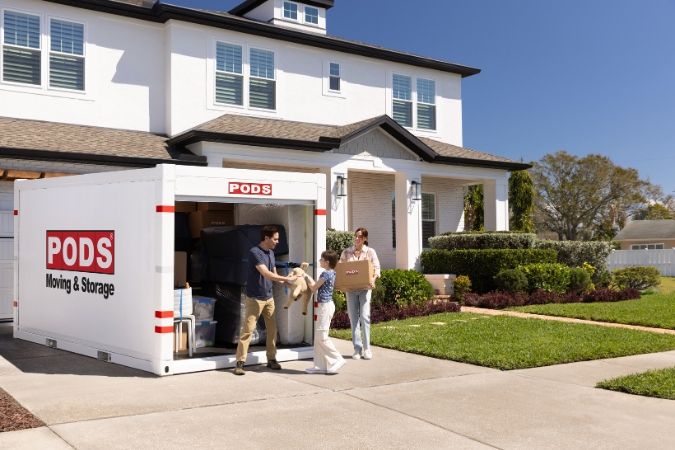
Put these tips for moving on a budget into action with the help of a PODS portable moving container.
Why PODS Is Great When You’re Moving on a Budget
Make your budget move flexible with a PODS portable moving container. PODS offers the predictability that traditional movers and rental trucks lack — plus, the process is more flexible. Have a container delivered right to your driveway, where you can load it on your own schedule. Need help with the heavy lifting? PODS can connect you with local PODS can connect you with local packing and loading services. When you’re ready, your container will be picked up and delivered right to your new home, or you can keep it in a PODS Storage Center until you’re ready for it.
Visit PODS online for a free local moving quote or call 855-706-4758 for long-distance moving.
*This article was written on behalf of PODS Enterprises, LLC (“PODS”). PODS does not warrant the completeness or accuracy of any information contained in this article and disclaims any liability for reliance upon the content herein.
Related Articles



What is a Moving Loan? Your Essential Guide to the What, When, Why, and How to Use a Loan for Your Next Move
Moving Tips and Hacks
Read more
Moving While Working Remotely? 5 Tips To Make It Easier & 5 Hotspots Remote Employees Are Moving to in 2026
Moving Tips and Hacks
Read more
Moving Out For the First Time Checklist: A Step-by-Step Guide To Leaving Home
Moving Tips and Hacks
Read more