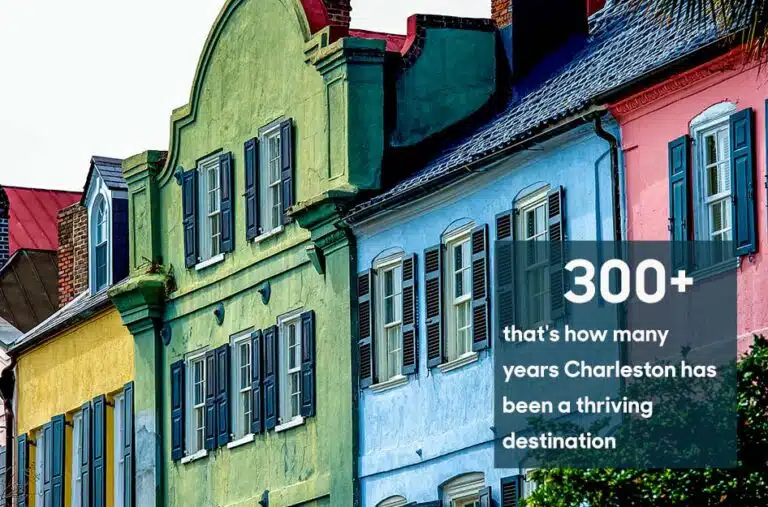
Living in Columbia, SC: 10 Things You Should Know About Life in Soda City
South CarolinaColumbia

Key Takeaways: Living in Columbia, SC
|
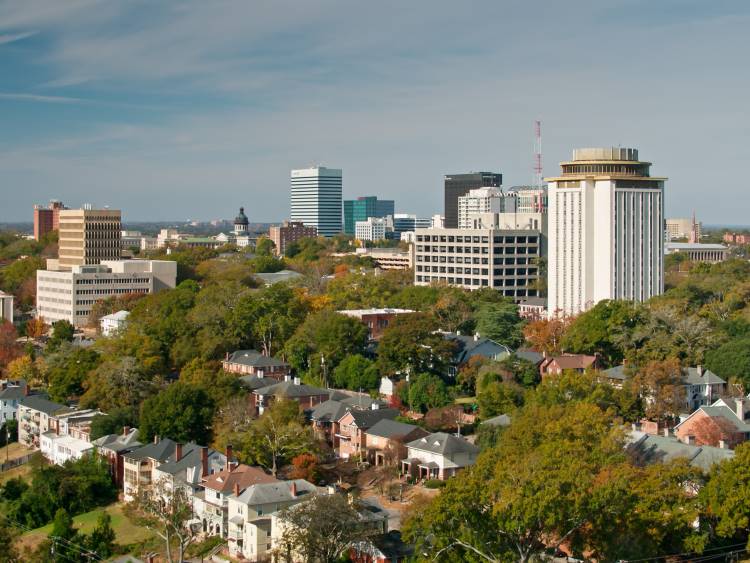
Just two hours from the coast, South Carolina’s capital city, Columbia, is home to the state’s largest university, a burgeoning downtown cultural scene, and a growing business community full of people lured by the benefits of living in Columbia, SC. Soda City — as it’s affectionately referred to by the locals — took over from Charleston as the state’s capital in 1786 and has been growing ever since. But what’s attracting wannabe residents to the prospect of moving to Columbia, SC?
| Planning a move to Columbia? Start by getting a free moving quote from PODS. |
It could be the bubbly promise of its nickname, or maybe it’s all the history and arts the city has to offer. In any case, read on for all you need to know about moving to Columbia, SC; things to do in Columbia, SC; what living in Columbia, SC, is really like; and the best neighborhoods in town. First, though, a few fun facts.
Columbia at a Glance
- The population of Soda City is estimated to be almost 149,100.
- The median household income is just over $55,500.
- The median age in Soda City is 28.
- Christopher Columbus is Soda City’s namesake — and, in fact, the city was the first in the U.S. to be named for Columbus. However, in response to widespread national protests in 2020 regarding monuments honoring the explorer, the city removed its statue of Columbus in 2020.
- The nickname “Soda City” came about not because Columbia has any claim to soft drink ingredients or manufacturing but because folks had started abbreviating “Columbia” to “Cola,” which is synonymous with “soda.” Hence, Columbia became Soda City. And if you’re thinking of moving to Columbia, SC, you’ll likely want to familiarize yourself with other quirks of the local lexicon.
10 Things To Know About Living in Columbia, SC
With a population of almost 149,100, Columbia is South Carolina’s capital and second-largest city, behind only Charleston, the historic tourist destination two hours to the southeast. And while Columbia may not have its seaside sister city’s beaches and ocean breezes, the capital city has plenty to offer families, single professionals, and retirees looking for a relaxed lifestyle with a big dose of the outdoors. And if you have friends or relatives living in Charlotte, NC, they’re only an hour and a half away.
But is Columbia, SC, a good place to live for you, specifically? Are there fun things to do in Columbia, SC? What is Columbia, SC, like? Here’s a closer look.

Living in Columbia, SC, means afternoon thunderstorms in the summer months, which is the norm in most of the Southeast U.S.
1. Summers Are Brutal, But Afternoon Thunderstorms Cool Things Down
Some like it hot, but living in Columbia, SC, means you better like it really hot! In addition to “Soda City,” Columbia was once given the slogan “famously hot,” reflecting its subtropical climate and long, steamy summers as much as its growing reputation as a great place to live. And it is steamy. July is the city’s hottest month, with an average high temperature of 95 degrees Fahrenheit.
Afternoon thunderstorms are a given in the summer months, which is the norm in most of the Southeast U.S. The good news is they often give way to a brief evening cooldown, ideal for a stroll along the Three Rivers Greenway — 19.4 miles of pathways along the Broad, Saluda, and Congaree rivers. Just make sure the lightning is long gone before you head outside.
Geographically, Columbia is in the center of the state, which means there’s no chance a cool breeze from the Atlantic or the somewhat nearby Smoky Mountains will make it to town. But the confluence of three rivers makes a huge difference on summer days.
January is the coldest month, with an average low temp of 37 degrees Fahrenheit. And you’ll see snow once or twice a year living in Columbia, SC, but don’t count on much. For a real winter experience in the cold season, take a day trip to the quaint and quirky Walhalla, one of the best small towns in South Carolina, just 150 miles northwest in the foothills of the Blue Ridge Mountains. You’re bound to see some flurries or even a drift or two — and if not, there are a dozen waterfalls to explore.
| Q: Is Columbia, South Carolina, prone to hurricanes? A: Soda City isn’t as vulnerable as the coastal areas of South Carolina, which have the potential to take a direct hit from the tropics (see: Hugo, Charleston, 1989). But inland cities like Columbia aren’t out of the woods completely; they can be affected by the remnants of storms that move onshore. By the time a hurricane makes it to Columbia from the Atlantic coast, it’s likely to have weakened quite a bit — but still has the potential to bring flooding, high winds, and even tornadoes spawned by the unstable environment. |
2. The Cost of Living in Columbia, SC, Is Affordable
One of the best perks of living in Columbia? The cost of living in Columbia, SC, is almost 13 percent lower than the U.S. average. Food costs, for example, are slightly lower than the norm, with a grocery cost index of 96 versus 100.
As for the job market, the city’s unemployment rate is 5.2 percent, compared with six percent nationwide. Columbia is a hub for healthcare workers, with about 17 hospitals in or near the city — and there are good jobs open in the healthcare industry.
Housing costs are still relatively low, with the average home price around $230,000 compared with the nationwide average of $368,200 — but a big, big price tag compared to what Columbia was once accustomed to: Just about seven years ago, the average home ran nearly $100,000 cheaper. If you want to rent instead, plan on an average of $1,175 per month for a one-bedroom apartment.
| Q: What is a livable salary in Columbia, SC? A: A family of four with two working adults generally needs a salary of about $90,000 to $95,000 to cover basic living expenses of living in Columbia, SC, according to the MIT Living Wage Calculator. That’s $22 to $23 per hour for each adult. |

New graduates interested in living in Columbia, SC, will find that three of the city’s top five biggest companies are in healthcare.
3. Columbia’s Job Market Has Lots of Opportunities
Great news for grads: The capital earned the No. 10 spot on WalletHub’s “Best Cities to Start a Career” list, based on the availability of entry-level jobs, workforce diversity, average starting salary, and annual job growth rate.
Despite experiencing a few economic hiccups over the past few years, like the rest of the nation, Columbia is now in solid shape with an expanding business profile and great opportunities for education and jobs. South Carolina was 2026’s No. 1 fastest-growing state in the U.S., and Soda City, not to be outdone, is the No. 2 fastest-growing city in the state for 2026. With a dedicated push for redevelopment, the “retail follows rooftops” adage is taking shape in Columbia’s downtown area, which is enjoying a surge in development.
| Heading south? If you want to check out other Southeastern cities for your next move, we’ve got you covered. Check out the lowdown on the Low Country and moving to Charleston, SC; the details you’ll need for moving to Savannah, GA; and the best Jacksonville neighborhoods for your family. |
4. Schools in Columbia Are Good — Especially Compared to the State Overall
Historically, public schools in South Carolina have not ranked well nationally. In 2026, for instance, the Palmetto State came in at a dismal 41st on WalletHub’s annual ranking. But if you’re moving to Columbia, SC, don’t despair: Sometimes states have pockets of quality schools that don’t necessarily make headlines — and that is the case in Soda City. More than 17,000 students attend the 23 schools in the A-rated Lexington 05 School District, which is ranked No. 1 in the metro area by Niche for 2026.
Private schools serve more than 7,200 students in the Columbia area. About 70 percent of the 45 schools are religion-focused, but the No. 1-ranked Hammond School focuses instead on a college-prep curriculum. The average annual cost to attend a private school in the metro region is more than $12,500, significantly higher than South Carolina’s average private tuition of just over $10,500.
And we would be remiss if we didn’t mention the University of South Carolina, the largest school in the state. Natives call it “the real USC” in a friendly dig at the other coast’s USC: South Carolina’s USC was founded in 1801, before California even became a state (1850) and long before the University of Southern California was established (1880). This USC is a massive research university, with top programs including public health, finance, psychology, biology, and nursing.
| Q: Is Columbia, South Carolina, a good place to live? A: If you like balmy weather, a strong business environment, a vibrant cultural scene, and family-friendly neighborhoods, moving to Columbia, SC, may be just the ticket for your next chapter. |
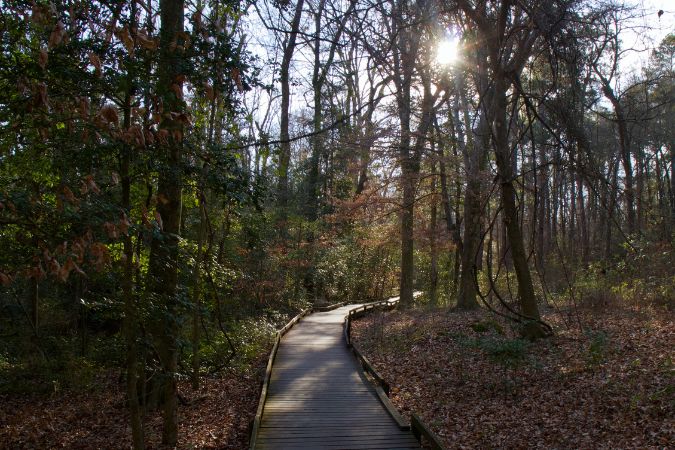
Congaree National Park offers scenic boardwalks, towering trees, and unique wildlife, making it a favorite outdoor escape for people living in Columbia, SC.
5. An Active Outdoor Lifestyle Is a Hallmark of Living in Columbia, SC
If you’re moving to Columbia, SC, you likely appreciate the outdoors — and if you don’t just yet, you will soon appreciate all the nature-focused fun things to do in Columbia, SC. For starters, the confluence of a 55,000-acre lake and three rivers — technically, the Broad and Saluda rivers come together to create the Congaree — offers a world of outdoor possibility for Columbians. As mentioned earlier, the Three Rivers Greenway wraps more than 19 miles of ADA-accessible and leashed-pup-friendly trails around the waterways, with overlooks and boardwalks, plus kayak, canoe, and tube rental opportunities on the rivers and pontoon boats of Lake Murray — just west of downtown Columbia.
Parks are also everywhere in the area — a major bonus of living in Columbia, SC. At Congaree National Park, visitors can view synchronous fireflies, a rare breed that lights up in tandem each year between mid-May and mid-June. Another local gem is the 12,000-Year History Park, where archaeologists found artifacts from thousands of years ago in Native American settlements and, in more recent history, the site of a Civil War battle. Other attractions include the Riverbanks Zoo & Garden — with Waterfall Junction, a treehouse play zone, and splash pad for overheated kids in the summer — and the University of South Carolina’s “Horseshoe,” the 200-year-old site of the original campus.
6. The City’s Arts Scene Is Surprisingly Active and Innovative
Soda City supports an active arts community that is surprisingly innovative, given the city’s relative size, and provides lots of things to do in Columbia, SC. Two professional ballet companies, the Columbia City Ballet and the Columbia Classical Ballet, call Soda City home, as does the South Carolina Philharmonic. Several theaters provide live performances, including the Columbia Marionette Theatre, a professional puppetry troupe. The marquee Columbia Museum of Art is an award-winning institution that offers more than two dozen galleries with exhibits covering 5,000 years of global history.
And like most college towns, Columbia has a thriving community of musicians and artists, adding a creative spark to the established institutions. In the music scene, venues include the USC Colonial Life Arena, where bigger acts play, and smaller, locally based concert halls and clubs like Bill’s Music Shop & Pickin’ Parlor, a must-visit for bluegrass lovers, and The Senate.
| Q: Is Columbia, SC, expensive? A: The capital city is generally more affordable than many other comparably sized metro areas in the U.S. The cost of living in Columbia, SC, is lower, and housing is much more manageable here. Like in any city, though, some neighborhoods are going to be pricier than others — like Forest Acres, considered one of the more upscale areas in Columbia, where home prices average around $334,600. |
7. Fresh Cuisines Bring New Life to Columbia’s Classic Southern Comfort Foods
Soda City dining has its roots in Southern comfort food, but the culinary scene has expanded over the years as more people have discovered the perks of moving to Columbia, SC — although the classics will never go out of style and are still well represented here. Innovative chefs have begun to call Columbia home, with eclectic districts emerging throughout the area. The Vista neighborhood, for example, is a standout dining hub, particularly along Devine Street, where cozy restaurants welcome guests for outdoor dining under the oaks — one of the most enjoyable things to do in Columbia, SC.
Some of our current Columbia foodie faves include these hot spots:
- Smokez and Bubbly Restaurant and Lounge: This new downtown favorite has an upscale nightlife vibe with interesting dishes like candied yam wings and tropical jerk ravioli. Have a specialty dry-ice cocktail and watch the smoke magically appear to rise from your glass.
- Mother’s Oysters and Pies: The “pies” in the name refer to pizza at this cozy neighborhood spot, just opened in March 2026. Also on the menu: Oysters (raw and grilled) and pasta (crab malfadine and radiatori vodka are standouts).
- Terra: Since 2006, locals have enjoyed dining under the oaks on the patio at this cozy eatery known for innovative farm-to-table takes on traditional southern dishes. Pro tip: Get the eggplant parmesan.
- smallSUGAR: Got a sweet tooth? You’ll be in heaven at this community-focused bakery and cafe in the Vista neighborhood. Besides serving freshly made pastries and other delicious treats (including lunch), smallSUGAR provides a training program for non-college-bound students interested in the culinary arts.
- The War Mouth: Living in Columbia, SC — or anywhere in the state, for that matter — means eating BBQ. That’s the rule. And this place is where it’s at. Located in the Cottonwood neighborhood, The War Mouth has pork, beef, and chicken prepared in all smoked and pulled varieties, plus other southern classics like catfish stew and pickled okra. Also: Strong drinks.
- Di Vino Rosso: For 20 years, this upscale favorite has been serving handmade pasta, fresh seafood, and other Italian dishes in an elegant atmosphere. It’s where locals go for the special-occasion meal. The wine list is exquisite, and the service is exceptional.
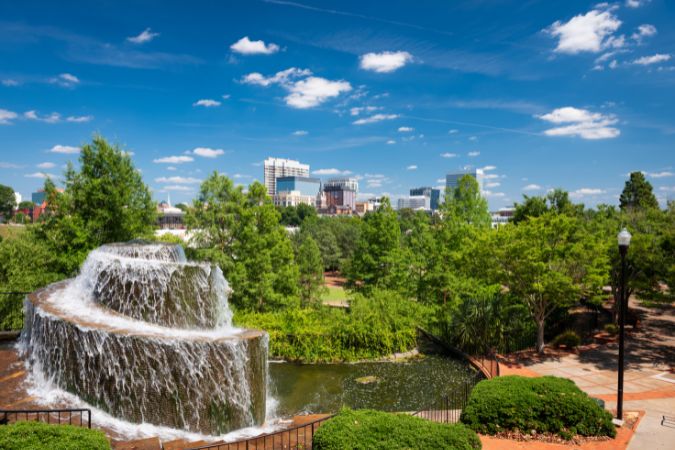
Finlay Park is a favorite gathering spot for families living in Columbia, SC, thanks to its fountain, walking paths, events, and open green space.
8. Kids Living in Columbia, SC, Will Never Run Out of Activities
In addition to all of its outdoor attractions, Columbia offers plenty of fun stuff for children. The centerpiece is EdVenture Children’s Museum, where interactive exhibits include World of Work, FLIGHT, Maker Works, and the animal health-themed Wags & Whiskers.
Other family-friendly destinations in Columbia include:
- South Carolina State Museum: A planetarium, a 4-D theater, and lots of interactive exhibits on science, history, technology, and art make this a fun and educational spot for kids of all ages. Check out the new presentation on solar superstorms on the 55-foot planetarium screen.
- Palmetto Falls Water Park: Beat the southern heat with a trip down Fort Jackson’s lazy river, giant swimming pool, and slides — open to both military and civilian families. Snack bar, too!
- Finlay Park: This 14-acre downtown greenspace, a family favorite for festivals, markets, and weekend recreation, has had a massive makeover in recent years. The park now features a cascading fountain, a kids’ play area, walking trails, and open space for picnics and garden-variety relaxation. Annual events include May’s Songbird, a two-day bluegrass and Americana fest (headliner: Old Crow Medicine Show), and the health-focused Jump Start Your Heart Day in February.
| Q: Why do people move to Columbia, SC? A: Columbia’s central location is convenient to the ocean in one direction and the mountains in the other, but staycations are just as enjoyable thanks to Soda City’s gorgeous rivers, parks, and green spaces. Add to all that a pleasing blend of historical charm and contemporary convenience, arts, and innovation, and it’s clear why so many new residents are moving to Columbia, SC. |
9. Columbia Neighborhoods Offer Varying Lifestyles To Meet Every Taste
What is the best area in Columbia, SC, to live? That’s a tough one. It depends on your personal preferences, of course. But if a move to Soda City is in your future, these hot spots are certainly worth checking out. Among the best neighborhoods for living in Columbia, SC, there are plenty that could easily make the grade and become your new home. Here are a few of our picks:
Shandon: Family-Friendly
Shaded streets, bungalows, and Craftsman-style homes characterize Shandon, named after an equally lovely neighborhood in Cork, Ireland. With nicely tended lawns and sidewalks, this established area of Columbia is a bit pricey for local standards, with an average home value of $473,900 — a more than seven percent rise over last year and a $150K jump since 2021.
Today’s Shandon is an easy walk to the University of South Carolina campus, and it’s close to the retail and business districts of Five Points and Devine Street. On weekends and after school, local families — not to mention folks who’ve found the joys of retiring in South Carolina — enjoy Sims Park and Emily Douglas Park, which feature playgrounds, an amphitheater, a basketball court, and a dog park.
| Q: Is Columbia, SC, a good place to raise a family? A: Yes! For many families, living in Columbia, SC, offers an agreeable mix of affordable housing, family-friendly neighborhoods, good schools in ‘burbs like Lexington and Irmo, plenty of parks and outdoor activities, and a more reasonable cost of living than many other comparable Southern cities. |
Cayce: Up-and-Coming
Technically not a neighborhood, Cayce is a burgeoning city along the Congaree just 10 minutes from downtown Soda City — but it’s ideal for commuters and a popular destination for new families moving to Columbia, SC. Students and young professionals love this area, where average home values are still somewhat affordable at around $212,800, and homeowners have plenty to celebrate. The Cayce Riverwalk Park, part of the Three Rivers Greenway, offers 12 miles of pathways and boardwalks and dozens of acres of parkland.
Dining and shopping are within easy reach, too. Area staple The Kingsman Restaurant dishes steaks, burgers, and more to hungry locals, and Steel Hands Brewing, circa 2018, has become a popular neighborhood hangout.
Historic Elmwood Park: Revitalized
Once the site of the state fairgrounds and later a haven for boarding houses and multifamily housing, the Elmwood Park of today is an example of successful urban renaissance. With so many people moving to Columbia, SC, a concerted effort since the early 1980s has eventually transformed the area into a coveted historic district, with eclectic architectural styles and a welcoming family vibe that includes seasonal porch parties and street fairs. The average home value is $357,500.
Elmwood Park was Columbia’s first official “suburb,” but today it’s considered part of the downtown region, within minutes of the business and dining districts. Even closer to home is local fave Uncle Willie’s Grocery Store, which bills itself as “Your Mom and Pop’s Grocery Store” and offers healthy produce and other goodies for locals living in Columbia, SC.
Seven Oaks: The Burbs
About nine miles northwest of downtown Columbia, Seven Oaks offers the standard amenities of a suburban neighborhood — but with the signature flavor of living in Columbia, SC. The area is a family favorite for professionals who work downtown and don’t mind the 15- to 30-minute commute, depending on traffic conditions. Homes are mainly from the mid-century era, spacious and well-tended, with an average home value of $242,700.
| Q: What is the safest area of Columbia, SC, to live in? A: Like most cities in the U.S., Columbia has areas that are sometimes prone to more crime than others. But overall, is Columbia, SC, safe? According to NeighborhoodScout, the city overall rates a 3 on the crime index, which means it’s safer than only 3 percent of American cities. The safest Columbia neighborhoods, based on their data, are around Leesburg, Jackson Boulevard/Hill Street, Washington Road/Knight Road, and Heathwood West/Historic Heathwood. |
10. There Are, of Course, Pros and Cons To Living in Columbia, SC
Is Columbia, SC, a good place to live? Absolutely! But, like every city, it has its ups and downs. Here’s a look at some of the pros and cons of moving to Columbia, SC.
Pros:
- Affordable cost of living: Columbia is more affordable than many other cities in the U.S. Housing is particularly reasonable, which makes it easier to find the right neighborhood to meet your needs and budget.
- Educational opportunities: Soda City is home to the University of South Carolina and several other institutions, which contribute to a richer, more diverse cultural environment.
- Pleasant winters: Is Columbia, SC, safe for warm-weather lovers in the winter? There’s no doubt that the city’s mild climate is appealing if you’re not a fan of harsh winter conditions.
Cons:
- Limited public transit: A car is a must in Soda City, where public transportation is not as developed as it is in some comparably sized cities.
- Hurricane season: Even though Columbia is two hours from the Atlantic Ocean, remnants of storms that come ashore elsewhere in the Southeastern U.S. usually disrupt normal life at some point between June 1 and Nov. 30.
- Hot, humid summers: Outdoor activities are not fun in the summer months, when temperatures can soar into the high 90s and the humidity makes it feel like you’re breathing through mashed potatoes.
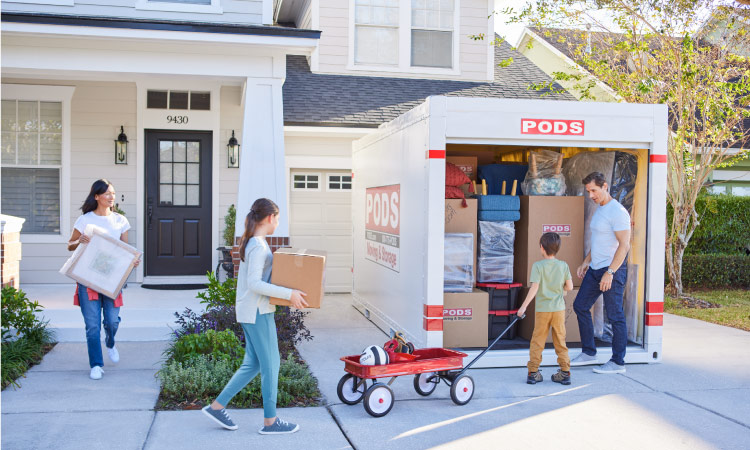
Moving to Columbia, SC, with PODS allows you to pack and load on your own schedule right in your driveway.
Ready To Make the Move to Columbia?
Make your move to Columbia flexible with a PODS portable moving container. If you need extra time to get settled, no worries: One month’s storage is included in the cost of every move. And if help with the heavy lifting is on your agenda, PODS can refer you to local packing and loading services to lend a hand.
Visit PODS online for a free local moving quote or call 877-350-7637 for long-distance moving.
Shannon Jacobs is a Tampa-based freelance writer and frequent contributor to the PODS Blog. She has lived in Atlanta, the Berkshires, the Jersey Shore, NYC, and Nashville, but always returns to the warmth of Florida’s Gulf Coast.
*This article was written on behalf of PODS Enterprises, LLC (“PODS”). PODS does not warrant the completeness or accuracy of any information contained in this article and disclaims any liability for reliance upon the content herein.

Your quote in 60 seconds
Get pricing tailored to your needs!
Related Articles
Moving to Charleston, SC: Here’s the Lowdown on this Lowcountry Gem
CharlestonSouth Carolina
Read more
The Best Small Towns in South Carolina for 2025: 14 Hidden Gems From the Mountains To the Coast
Small TownsSouth Carolina
Read more