Living in Pensacola: Finding Your Beachfront Home Along Florida’s Gulf Coast
Florida
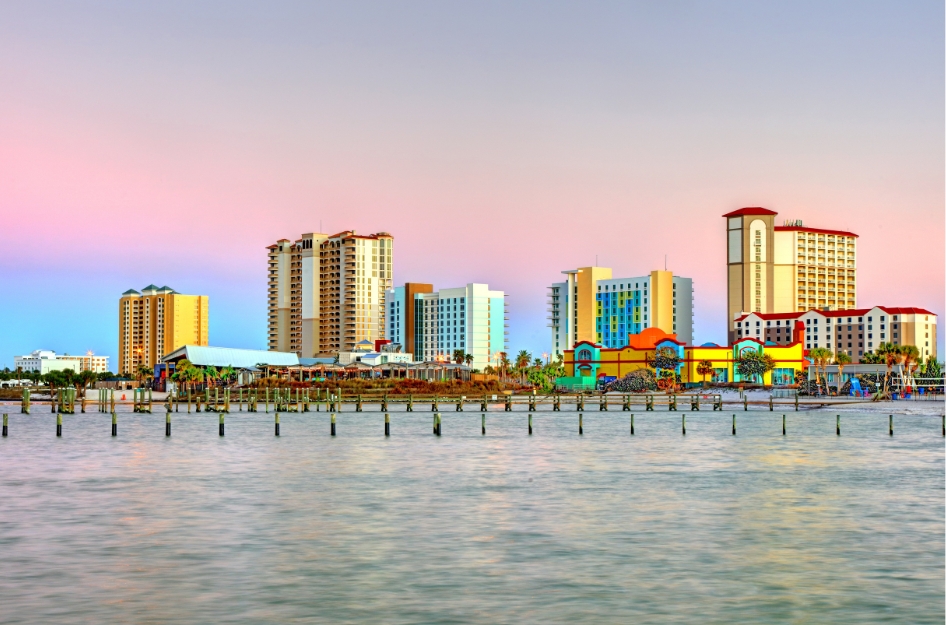
Is Pensacola a good place to live? Yes! People all over the nation are drawn to this Florida Gulf Coast city due to its affordable cost of living, diverse job market, strong sense of community, and natural beauty. The following list will cover everything you need to know about living in Pensacola and highlight the city’s qualities — both the pros and the cons.
| Planning a move to Pensacola? Start by getting a free moving quote from PODS. |
Pensacola at a Glance
- Population: Pensacola has a population of 53,900.
- Median age: The median age in Pensacola is close to 41 years old.
- City size: Pensacola has a total land area of around 22.8 square miles.
- Location: Pensacola is located in the Florida panhandle just an hour east of the Alabama-Florida state line.
- Fun fact: Some of the whitest sand in the world can be found at Pensacola Beach, formed from Appalachian quartz that washed down from the mountains over thousands of years.
20 Things to Know About Living in Pensacola
Before moving to Pensacola, it's important to consider all of the factors that affect the quality of life in the area — both the pros and the cons. Here’s everything you should know about living in Pensacola before you make the move.
1. The Cost of Living in Pensacola, Florida, Is Affordable
Is it expensive to live in Pensacola? Not particularly. In fact, the city is more affordable than other major cities in the state, like Tampa and Orlando, allowing residents to maintain a higher quality of life without straining their bank accounts.
Pensacola’s cost of living is 89, which is 11 percent lower than the U.S. average of 100 and nearly 14 percent lower than the state average of 103.1.
| Q: How much do I need to make to live in Pensacola, FL? A: A family of four consisting of two working parents and two children would need at least $83,200 annually before taxes to cover basic living costs. A couple without children could get by with closer to $64,000, and a single person living alone would need roughly $45,000. |
2. Pros and Cons of Living in Pensacola, Florida
Here are some of the biggest pros and cons of living in Pensacola:
Pros of Living in Pensacola, Florida
- Affordable living
- Pristine beaches
- Rich history and culture
- Easy commute to other Gulf Coast cities
Cons of Living in Pensacola, Florida
- Hurricane risk
- Extreme heat and humidity
- Limited public infrastructure
- Crowded tourist season
| Q: What are the pros and cons of living in Pensacola? A: Pensacola’s pros include its historic charm, coastal beauty, and general affordability, while a crowded tourist season and severe weather risks are two of the main cons. |
3. Things To Do in Pensacola, Florida, Apart From the Beaches
Beyond Pensacola’s beautiful coastline, there’s plenty to do that highlights the area’s history, arts and culture, outdoor recreation, and entertainment. Here are just a few of our favorites:
- National Naval Aviation Museum: Enjoy free admission and explore the aviation history of the U.S. Navy, Marine Corps, and Coast Guard through restored aircraft and exhibits at the National Naval Aviation Museum.
- Saenger Theatre: Visit this historic theater and catch a live performance, concert, or show.
- Big Lagoon State Park: Go hiking, kayaking, and observe the local wildlife in Big Lagoon State Park.
- Pensacola Lighthouse & Maritime Museum: Climb nearly 200 steps of this historic lighthouse for panoramic views and museum exhibits.
4. Pensacola Tourist Season Means Lots of Crowds & Plenty of Traffic
Tourist season in Pensacola means heavy traffic and large crowds, especially on the beaches. This is an issue for locals, who have to adjust their daily routines to avoid the most heavily congested parts of town.
Due to the increasing number of tourists, the city of Pensacola is exploring various infrastructure projects to accommodate the growing number of visitors. These projects are focused on the development of the beach gateway, coastal preservation, and long-term planning.
| Q: Why are people moving to Pensacola? A: Pensacola offers an affordable lifestyle with a booming job market and a high quality of life — and it’s one of the best places to live in Florida. |
5. Living in Pensacola Is Pretty Quiet Outside Tourist Season
During the off-season, from November to February, Pensacola residents can enjoy a more peaceful environment with cooler weather to boot. Snowbirds will make their appearance, but winter is generally ideal for residents who want to experience the city's lifestyle without the hustle and bustle of tourist season.
Most businesses in Pensacola don't close during the winter months. Some of them, especially those located on Pensacola Beach, will just operate shorter winter hours.
6. Beaches in Pensacola Are Known for White Sands & Beautiful Waters
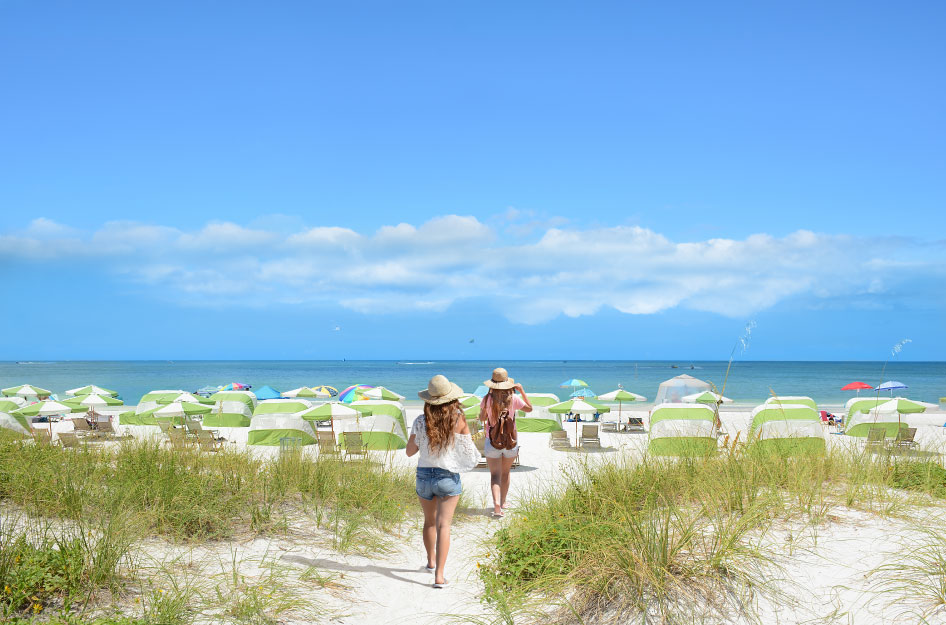
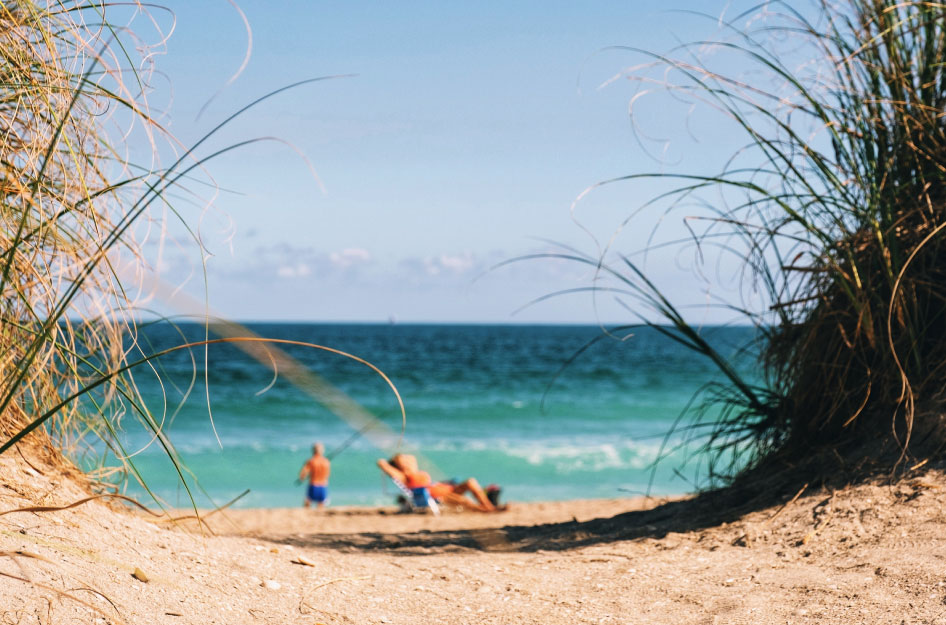
The highlight of living in Pensacola is being able to visit an array of world-famous beaches known for their distinctive sugar-white sand and clear water. Pensacola beaches are most crowded during the peak season from March through early September, particularly in the summer and on holiday weekends. An influx of snowbirds will arrive in November to escape colder northern winters and stay until the early spring, when the weather back home warms up.
While Pensacola Beach is the most popular destination, places like Opal Beach offer a less commercialized and more tranquil environment. Navarre Beach is considered another one of the area’s most peaceful beaches and allows families to spread out with plenty of space.
7. The Best Neighborhoods in Pensacola Offer Their Own Distinct Lifestyles
From historic charm and urban excitement to family-friendly tranquility and beachfront peace, check out the characteristics of the best neighborhoods in Pensacola:
- Downtown: The walkable and lively area of Downtown Pensacola is best for young adults, singles, and working professionals, with immediate access to the best shopping, dining, and historic attractions of the city.
- East Hill: The safe, friendly, and active community atmosphere of East Hill is ideal for families. This neighborhood features beautiful homes, local parks, and community events.
- Gulf Breeze: The laidback paradise of Gulf Breeze is one of the best beach towns for those retiring in Florida, with the perfect blend of tight-knit community vibes and easy beach access.
8. Pensacola’s Housing Market Offers Plenty of Options
The average home value in Pensacola is $258,100, down 1.3 percent over the past year. The housing market in Pensacola is in a period of rebalancing, with high inventory and buyers holding more power than ever. With more listings than there are buyers, it’s easier to negotiate and purchase homes below their original listing price.
Pensacola’s architecture is rooted in its history and embraces sustainable and coastal designs. Craftsman-style homes are one of the most iconic styles, while other styles like Mediterranean Revival and Mid-Century Modern homes are also quite popular.
9. The Rental Market in Pensacola Also Remains Stable
While high demand and higher rental prices were common in Pensacola in recent years, the rental market has shifted toward more stability as demand has gone down and inventory has increased — similar to the housing market.
The average rent for a one-bedroom apartment in Pensacola is $1,300, which has slightly decreased compared to the previous year. Apartment sizes can range anywhere between 500 square feet for a studio and 1,400 square feet for a three-bedroom.
10. Pensacola Is Safer Than Florida’s Major Cities
Pensacola’s overall crime score is 32, meaning it’s safer than 32 percent of other U.S. cities. This is much lower compared to other cities across the state, like Miami, Orlando, and Tampa, whose scores are six, three, and 18, respectively. Overall, Pensacola’s crime rate is also lower than that of other communities across the country with a similar population size.
Pensacola experiences crime at a rate of 12 incidents per 1,000 residents, with crimes more often being property-related as opposed to violent.
11. Pensacola’s Job Market Stays on the Rise
Pensacola’s job market has maintained moderate growth since 2023. The unemployment rate is sitting at 4.3 percent as of December 2025, compared to 4.8 percent in November 2025.
While the military is the primary economic engine of the city, finance and healthcare make up the other largest industries, with major employers including Navy Federal Credit Union and Baptist Healthcare.
12. Public Transit Can Be Limited for Travelers in Pensacola
The public transit system in Pensacola is anchored by the Escambia County Area Transit bus system, which is also supplemented by seasonal trolleys and a regional ferry service.
The transit bus system operates nearly 300 miles of fixed routes across the city and Escambia County. While the system is typically well-suited for commuters, flexible travel can be limited as most routes only run once per hour, with even less availability on the weekends. Most residents need a car to get around the city when living in Pensacola.
13. Pensacola Is a Regional Leader in Education
The city is primarily served by the Escambia County School District, which holds an overall B grade from Niche and is home to highly rated specialized schools. West Florida High School of Advanced Technology is among the highest-ranked schools within the district and is regarded as the No. 1 best public high school in the Pensacola area.
Pensacola is also home to several institutions known for their academic excellence, including the University of West Florida.
14. Expect a Subtropical, Beachy Climate While Living in Pensacola
Pensacola’s humid subtropical climate consists of long and hot summers followed by short and mild winters. Summers bring on the most intense heat and high humidity, with daytime highs that can frequently go over 80 degrees Fahrenheit.
Winters are mild with high averages between 60 and 70 degrees Fahrenheit, and lows typically not dropping far below 40 degrees Fahrenheit. Moving to Pensacola does mean dealing with hurricane season, though, which lasts from early June to late November.
15. Pensacola’s Food Scene Continues To Evolve
The Pensacola food scene is rapidly evolving from its traditional seafood origins to embrace international cuisines, fine dining options, and Southern comfort food. Some of the best local dining spots include:
- The Oar House: Known for its excellent blackened grouper sandwiches and fish tacos with great views of the Bahia Mar Marina.
- Pearl & Horn: An upscale dining experience offering an innovative menu of local seafood like orange miso seared scallops.
- McGuire’s Irish Pub: A staple of the city’s food scene, known for its award-winning steaks and house-brewed beer.
16. Pensacola’s Cultural Scene Is a Melting Pot of Experiences
The laidback beach vibe of Pensacola is balanced by the vibrant cultural events that take place in the city, with a sophisticated and active arts community. Pensacola is home to numerous performing arts companies, including the Pensacola Opera and Pensacola Symphony Orchestra, along with popular visual arts hubs, such as the Pensacola Museum of Art and First City Art Center.
The city’s calendar is also packed with events like the Pensacola Mardi Gras, along with monthly celebrations like Gallery Night Pensacola, hosted by a nonprofit.
17. Minor League Franchises Are the Draw for Pensacola’s Sports Fans
The minor league professional franchises of the Pensacola Blue Wahoos baseball team and the Pensacola Ice Flyers hockey team draw in a passionate fan base from local residents. The Pensacola Blue Wahoos play their games at the scenic Blue Wahoos Stadium, while the Pensacola Ice Flyers play at the Pensacola Bay Center and have enjoyed significant success on the ice.
The University of West Florida Argonauts compete in NCAA Division II sports and also draw in plenty of local support.
18. Pensacola’s Vibrant Nightlife Scene Continues To Grow
Pensacola’s nightlife scene is booming, spanning both the city's beachfront bars and its high-energy downtown district.
Much of the nightlife is centered south of Garden Street near Palafox Street, where Seville Quarter stands. The historic complex features seven unique rooms under one roof, including the two-story dance club Phineas Phogg's.
Bamboo Willie's is a staple of the beach nightlife scene, known for its dance nights and live bands.
19. Pensacola Places a Strong Emphasis on Sustainability
If you’re someone who values sustainability, then you’ll be pleased to know that Pensacola is committed to becoming more sustainable through various initiatives. These include planning for climate resilience, establishing energy efficiency goals, and protecting the environment overall.
The SolSmart Gold award was given to the city for its efforts in promoting the development of solar energy markets on the Gulf Coast. It aims to have 30 percent of its operations' energy coming from renewable sources by 2030.
20. Nearby Gulf Coast Cities Make Day Trips Easy
Pensacola is located near several major cities along the Gulf Coast, making it an ideal base for regional travel and easy day trips. Residents enjoy convenient access to a variety of beach destinations and activities. Top locations include:
- Mobile, Alabama: 1-hour drive
- Destin, Florida: 1 hour and 15-minute drive
- Gulfport/Biloxi, Mississippi: 2-hour and 10-minute drive
- New Orleans, Louisiana: 3-hour drive
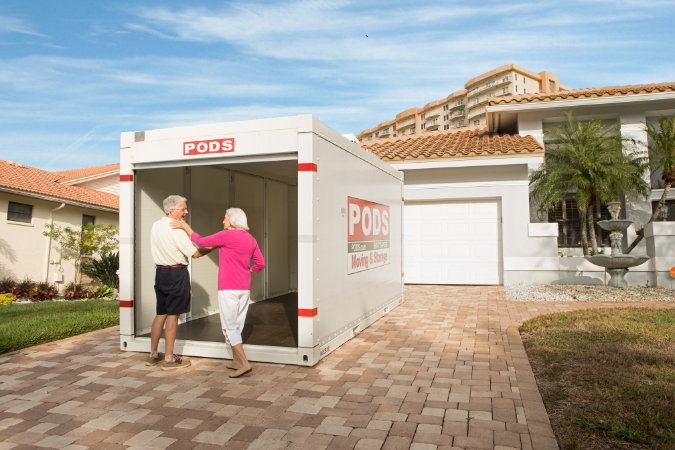
Make living in Pensacola a reality and let PODS help you get there!
Moving to Pensacola, Florida, With PODS
Ready to plan your move to Pensacola? PODS makes the process flexible and convenient with a portable moving container delivered right to your driveway. You can load it on your own or PODS can refer you to local packing and loading services to help with the heavy lifting. Once you’re ready to move, have your container picked up and delivered to your new home or to a secure PODS Storage Center until you’re ready to unload. One month of storage is built into the cost of every move, so you can take your time without feeling rushed.
Visit PODS online for a free local moving quote or call 877-350-7637 for long-distance moving.
Editor’s note: For ease of reading, monthly rental prices were rounded to the nearest $25 and home values were rounded to the nearest $100.
*This article was written on behalf of PODS Enterprises, LLC (“PODS”). PODS does not warrant the completeness or accuracy of any information contained in this article and disclaims any liability for reliance upon the content herein.

Your quote in 60 seconds
Get pricing tailored to your needs!
Related Articles
Retiring in Florida: The Pros and Cons of Calling the Sunshine State Your New Home
RetirementFlorida
Read more