
Remodeling After a Natural Disaster: How To Prioritize Repairs for a Safe Return
Remodeling and Renovation Tips
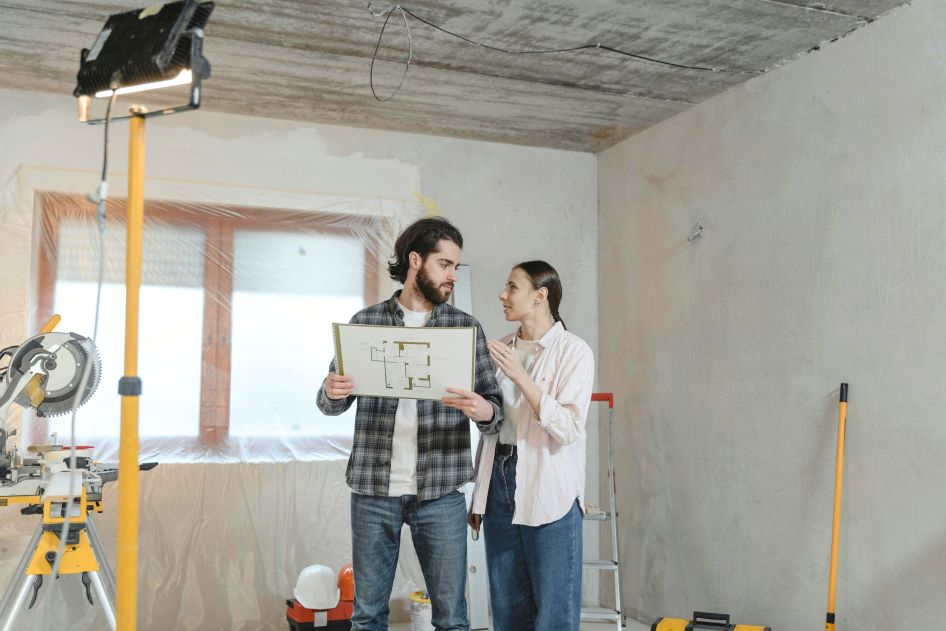
TL;DR: Remodeling After a Natural Disaster
|
There’s little that feels natural after a natural disaster. Your life can be upended and your home severely damaged, even if you’ve executed disaster preparedness to the best of your ability. In the wake of an emergency, it can be hard to figure out the next steps. These tips will help you with remodeling after a natural disaster, whether you’re dealing with fire restoration in Northern California or water clean-up in Louisiana.na.
8 Steps for Remodeling After a Natural Disaster
Safe home remodeling practices and recovering after a natural disaster require prioritization and care. Follow these steps to make the transition smooth while doing anything you need to accommodate your needs and consider your available resources.

It’s important to follow safe home remodeling practices during reconstruction after damage from a natural disaster.
(Source: ZeeChow via Pixabay)
1. Protect Yourself and Your Loved Ones
But before you run inside your damaged house, be sure you remember the cardinal rule of disaster rebuilding: People and pets are more important than property. Here are some simple, common-sense guidelines:
- Don’t enter a damaged structure until it has been inspected by a professional.
- Wait until daylight to re-enter a structure and survey damage.
- If you suspect there’s a gas leak, leave your home immediately and contact emergency authorities. Don’t turn on the lights or anything else that could cause a spark.
- Wear personal protective equipment when you enter damaged structures (or leave it to the professionals).
- Use teams of people for lifting heavy objects and debris.
- Use extreme caution when operating a chainsaw to clear downed trees.
- Prepare for rain, snow, ice, and heat. Stay hydrated as you clean up and rebuild.
- Be wary of lead-based paint!
- Minimize dust and toxic chemicals that may be present.
2. Assess the Damage and Document Everything
It’s time to get out your camera and snap away. These photos aren’t for Instagram. They’re for something far more important: Your insurance company, local and federal aid, and your own records.
Taking stock will also help you replace any documents and restore everything as accurately as possible. Document with photos, videos, and other evidence after a natural disaster has damaged your property:
- Serial numbers: Be sure you’ve got the serial numbers of any pricey new appliances or electronics.
- Damaged walls, floors, roofing, etc.: Review every corner of your home.
- Material samples: If your insulation got moldy, pop some of it in a plastic bag. If your flooring got water damaged, do the same. These samples may come in handy when you’re haggling with insurance over the extent of the damage.
- Keep receipts: Hold on to any receipts you get for work done on your home, materials purchased, or anything else related to your disaster remodeling — including making a last-minute move to temporary housing.
Even if you don’t end up using the photos and evidence to get paid by your insurance company, these can help when working with contractors. Plus, you’ll be able to do before-and-after comparisons.
3. Prioritize Your Checklist
Walk around the home and create a checklist of everything you see that needs to be done, big and small. You’re looking at a lengthy undertaking, but it’s essential to collect everything in a single location so you can refer to it as needed. Then, you’ll need to arrange the list based on necessity. Here’s how you do it.
Determine the nonnegotiables. These can be things that help you navigate the space, assess damage, and take inventory of your possessions. For example, your home may need to be immediately dried out after a flood or cleared of debris after an earthquake. Executing these tasks impacts the rest of the restoration process. Doing these things first will help you have clarity on what to prioritize later.
Additionally, tasks that affect your daily life need to take precedence, like restoring utilities. Therefore, you need to lay the foundation to support these essentials. Review your checklist to see what needs to happen to be able to get to that point. Typically, this involves cleaning and having inspections to ensure utilities can be turned on again safely.
If you want a jumping-off point, here are the tasks you should take care of ASAP after a natural disaster strikes, especially if you’re dealing with a basement flood clean-up or any other water damage restoration:
- Water clean-up: Towels and mops may do the trick for small floods, but bigger flood restoration often requires wet-dry shop vacs and sump pumps.
- Mold prevention: Any wall that got flooded should be opened up to prevent mold, even if the outside appears undamaged. Also be sure to check floorboards, cabinets, and other structural elements.
- Remove furnishings and carpets: If your sofa, carpets, and other furniture got soaked, they’ll need to be removed from your house.
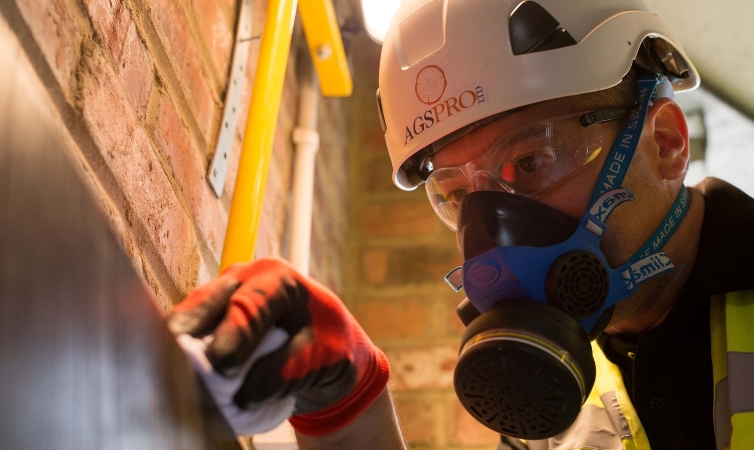
Paying a few hundred bucks to hire a restoration company is a lot cheaper than paying to fix a project gone wrong or putting yourself in danger.
(Source: jtronics80 via Pixabay)
4. Educate Yourself and Find Reliable Contractors
Maybe you’ve done a few DIY home improvements around the house — like staining your deck or painting your bedroom. But repairing storm damage and renovating your home after a disaster is on a different level.
The biggest thing you can do to make sure you don’t get in over your head: Educate yourself. There are tons of experts and restoration companies out there who will teach you how to execute property reconstruction after a disaster. Look up YouTube tutorials or peruse government websites, like the U.S. Department of Housing and Urban Development (HUD). In fact, here’s a really helpful video from HUD to get you started.
You also need to know when to ask for help. Paying a few hundred bucks to hire a restoration company is a lot cheaper than paying to fix a project gone wrong or putting yourself in danger. There are some things, like messing around with electricity, that should always be left to the pros.
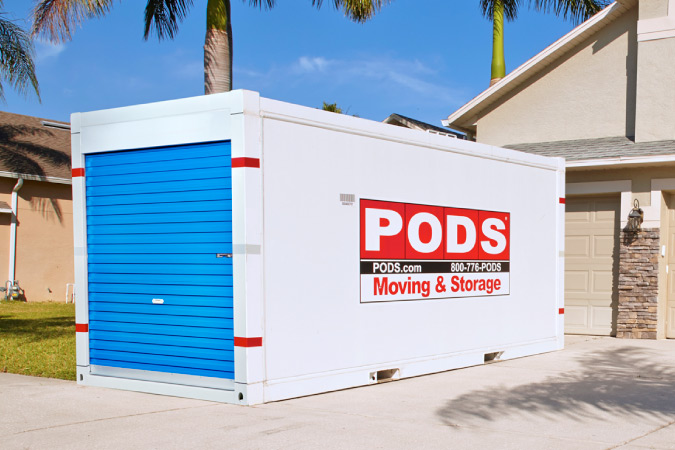
Remodeling after a natural disaster means finding a safe home for your items while everything is in flux, such as self-storage containers.
5. Protect Your Belongings as You Clean
Our homes protect us from our environment, whether it’s a snowstorm or an unwelcome stranger. They also protect all of our precious things, from our widescreen televisions to our family photo albums. Engaging in property reconstruction after disaster means your stuff is unprotected and needs temporary shelter.
You can keep all of your valuables safe after home damage emergencies using a storage unit or, better yet, a portable storage container. It’s easy and a lot cheaper than replacing everything. This will allow you to move things out of the way while you clean your space.
There are plenty of storage container sizes and options, whether you need enough space to store all of your furniture while remodeling after a natural disaster, or just your most valuable items.
Sometimes items just can't be saved. If you need to dispose of a lot of materials, consider dumpster rental services like Bin There Dump That, which offer fast delivery in a range of sizes and will haul it away when you’re ready — especially if you have a lot of debris and trash accumulating during the cleaning process.

Your insurance provider is one of the most valuable resources you have to discuss remodeling after a natural disaster, because it will inform your budget and to-do list.
(Source: Engin Akyurt via Pexels)
6. Negotiate With Your Insurance Company
The first step in getting money from your insurance provider is to actually have insurance. If you don’t have homeowner’s insurance, or your plan doesn’t cover the kind of natural disaster you experienced (most insurance policies don’t automatically cover water damage from floods, for instance), then you may need to seek government assistance through FEMA.
Follow these steps in putting together your claim:
- Report as quickly as you can.
- Keep all of your receipts and other documents.
- Only hire certified insurance adjusters.
- Keep track of what the adjuster says, or doesn’t say, during the survey.
- Use legitimate contractors for your repairs.
If you’re not satisfied with your settlement, file an appeal with your insurer. If your appeal isn’t granted, you can hire an attorney or complain to your state’s insurance regulator.
7. Rebuild and Restore Better Than Before
A natural disaster may not be exactly what you imagined, but it’s still an opportunity to start fresh. Maybe now is the time to consider home improvement loans to redo your kitchen with granite counters and stainless steel appliances. Whatever project you’ve been holding off on, you likely won’t find a better time to complete it.
Adding improvements like basement drains and grading your yard to have a slope after a flood can protect your home. You can also toughen up your walls and install a more durable roof.
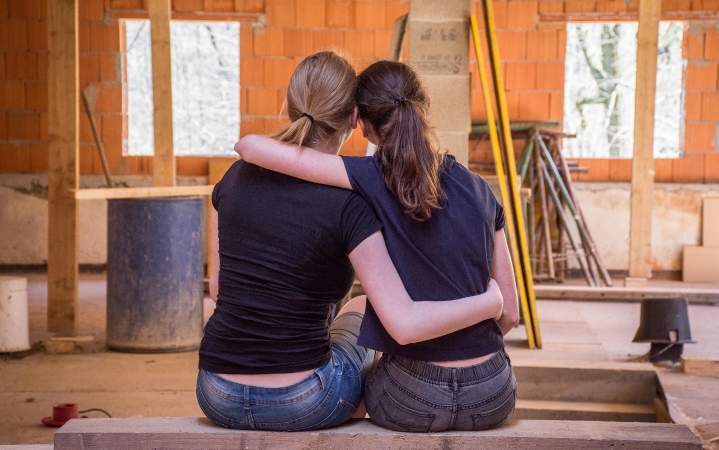
Remodeling after a natural disaster can is often a taxing experience, so it’s important to take care of yourself to avoid burnout.
(Source: Anemone123 via Pixabay)
8. Take Care of Yourself and Prepare for Next Time
Meet your basic needs, including time with loved ones, resting, and nourishing yourself with good food. Remodeling after a natural disaster is tough work, but the toll isn’t just on your body.
Living through a natural disaster is harrowing, and it can leave a lasting impression on you and your family. Take time to reflect and take care of any mental and physical health needs by scheduling appointments with trusted providers.
Here are some useful resources that can make it easier to get back on your feet after a natural disaster:
- FEMA (Federal Emergency Management Agency): Assistance with preparing for, responding to, and recovering from emergencies.
- IHP (Individuals and Households Program): Assistance with housing and other essential needs after an emergency.
- HUD (U.S. Department of Housing and Urban Development): Assistance with housing needs after an emergency.
- DUA (Disaster Unemployment Assistance): Assistance with lost income after an emergency.
- DLS (Disaster Legal Services): Assistance with legal issues after an emergency.
These will outline how to undergo true disaster preparedness, so if it happens again, you’ll be safer.
Remodeling After Natural Disasters — FAQs
Q: How much does it cost to rebuild a house after a natural disaster?
A: In 2023, the average cost for remodeling after a natural disaster was $22,100. Twenty years prior, it was $17,900 — signifying a reliable increase over time. Prices may vary based on where you live, your insurance, and how much you’re willing to DIY.
Q: How long does it take to rebuild after a natural disaster?
A: This also varies widely, with some homes and communities spending years and even decades to recover. For instance, the impact of Hurricane Katrina is still evident, even over 20 years later.
Q: How to recover after a natural disaster?
A: Recovering and remodeling after a natural disaster is a multistep process. In short, the best way to tackle the project is:
- Ensure everyone’s safety, health, and well-being.
- Document everything and speak with insurance providers.
- Create a list of every to-do item, and sort what you can handle against what a contractor should do.
- Safely secure what remains while you clean.
- Build back better and heal from the experience.
Q: What is the most expensive part of a house renovation?
A: Remodeling after a natural disaster introduces new variables compared to a standard upgrade. However, the kitchen still remains one of the most expensive projects, with bathrooms not far behind.
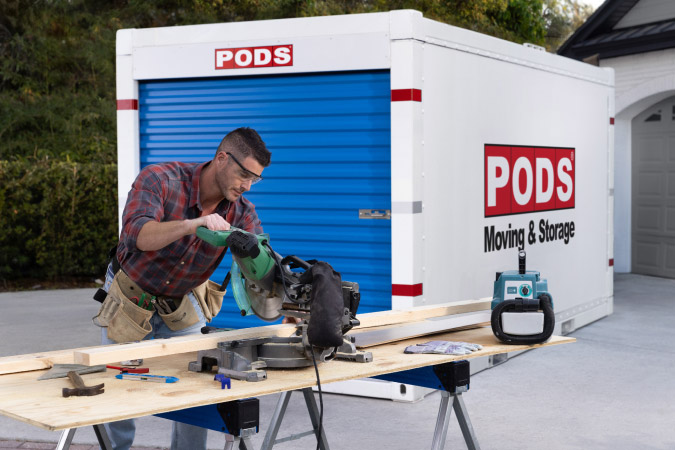
Make remodeling after a natural disaster flexible with a PODS portable storage container.
Make Home Remodeling Flexible With PODS
Remodeling after a natural disaster is a long journey, but it’s manageable when you take it one step at a time. Seeking the right help from family, friends, and contractors is essential for distributing the load.
Make your home remodeling more flexible with PODS portable storage containers, where you can keep your storage container on your property for easy access or store it at a secure PODS Storage Center for as long as you need.
Visit PODS online for a free local storage quote.
Easton Smith works as a freelance writer and researcher, reviewing technology trends and the moving industry. He moved all around the continent, from New York to California, before landing back in his hometown of Salt Lake City.
(Source for image featured at top: Tima Miroshnichenko via Pexels)
*This article was written on behalf of PODS Enterprises, LLC (“PODS”). PODS does not warrant the completeness or accuracy of any information contained in this article and disclaims any liability for reliance upon the content herein.

Your quote in 60 seconds
Get pricing tailored to your needs!
Related Articles
Home renovations in your future? Here’s how to get the best results — and ROI!
Remodeling and Renovation Tips
Read more
How Much Does It Cost To Remodel a House? Here’s the Step-By-Step Breakdown
Remodeling and Renovation Tips
Read more

Home learning space makeover tips: From pinworthy to practical
Remodeling and Renovation Tips
Read more