What Not to Put in a Storage Unit or PODS Container: The Ultimate Guide
Storage Tips and Hacks
TL;DR: What Not To Put in a Storage Unit or PODS Container It’s easier to remember when you think of these four main categories:
|
Packing up your home or getting it ready to sell? Exciting! But before you start loading boxes into your portable storage container, it pays to know what shouldn't make the trip. Whether you're moving across the country, tackling a long-overdue decluttering project, or simply need some extra space, knowing what not to put in a storage unit or PODS container helps protect your belongings, your container, and everyone handling it. The good news? The list is pretty straightforward. In this guide, we'll walk you through what is not allowed in a storage unit or PODS container, explain why certain items are off-limits, and share a few packing tips to help your move (or storage project) go as smoothly as possible.
What Not To Put in a Storage Unit or PODS Container
When thinking about what not to put in a storage unit or PODS container, it’s best to start broad and then zoom closer. There are four main categories to work from: Hazardous materials; motorized equipment and lithium-ion batteries; perishables, living things, and non-owned property; and high-value, irreplaceable items.
1. Hazardous Materials
When analyzing what not to store in non-climate-controlled storage, hazardous materials top the list. Fluctuating temperatures and enclosed spaces can turn everyday household items into severe safety risks.
Chemical and Flammable Liquids
Chemicals can combust, leak, or create toxic fumes. What items are not allowed in storage units from your garage or laundry room? There are a few:
- Paints & finishes: Solvent-based paints, varnishes, wood finishes, and pool chemicals like chlorine.
- Household chemicals: Nail polish, nail polish remover, bleach, ammonia, corrosives, anything with mercury, and standard cleaning supplies.
- Aerosols & concentrates: Aerosol cleaning sprays, concentrated laundry detergents, and stain removers, which can burst or leak under pressure and ruin surrounding furniture.
- Fuel & ignition sources: Kerosene, lighter fluid, and matches, which present an immediate flash-fire hazard.
- Lawn care: Weed killers, fertilizers, and pesticides.
Pressurized Tanks and Explosives
Compressed gases are highly volatile under pressure, meaning they have no business inside a dark, enclosed container. Need the specifics?
- Pressurized tanks: Propane tanks, oxygen tanks, and aerosol cans. Scuba gear and fire extinguishers are also off-limits unless verified as completely empty and depressurized.
- Explosives: Fireworks, flares, firearms, and ammunition, due to the risk of fire or sudden detonation.
- Related items: Reloading supplies, gunpowder, vintage military memorabilia, and other weapons. If it can go boom or cause bodily harm, keep it far away from your container.
2. Motorized Equipment and Lithium Batteries
Many homeowners utilize storage for seasonal gear, but motorized machinery requires serious prep work before it can safely sit in an enclosed space. Knowing exactly what not to put in storage when it comes to engines will save you from a major safety violation.
Mandatory Rules for Motorized Items
Before loading any equipment, you must completely drain all oils, fuel, and liquids from these common items:
- Lawn and Garden Tools: Lawn mowers, weed whackers, portable generators, grills, smokers, and fire pits.
- Personal Vehicles: Motorcycles, dirt bikes, and motorized scooters.
- Recreational Gear: Golf carts, ATVs, jet skis, and aircraft.
Residual gas fumes can build up in an enclosed container, creating an invisible, highly explosive vapor cloud. Double-check that your gas caps are tightly sealed after draining.
The Lithium Battery Hazard
Modern electronics carry a critical safety risk. Items with non-removable lithium batteries are banned due to the risk of thermal fires. So, the battery must be completely removed from the device before loading. This includes:
- Medical equipment: Nebulizers, blood glucose monitors, CPAP machines, blood pressure monitors, or anything similar.
- Electronics & tools: E-bikes, power tools, and small appliances.
- Kids’ items: Children's toys with built-in batteries.
- Travel & home gear: Smart luggage, robotic vacuum cleaners, and electric hoverboards.
Since you can’t remove the batteries, all of these items need to be transported separately. If you can remove the batteries, double-check that you’ve done so before it goes into the container.

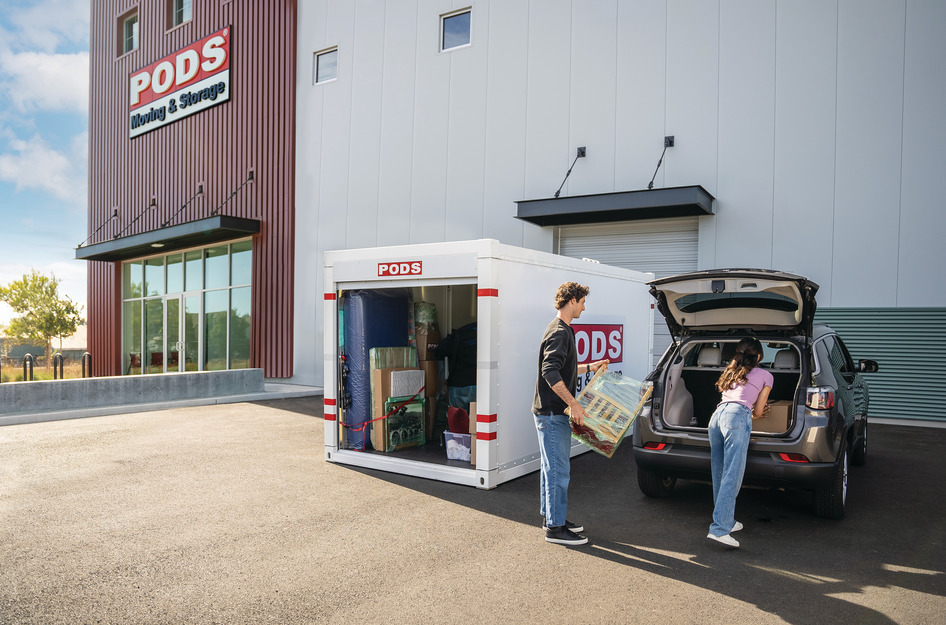
Protect your belongings by keeping food, live plants, and other prohibited items out of your storage container.
3. Perishables, Living Things, and Non-Owned Property
A storage container should never become its own ecosystem — it’s a safety hazard and can ruin everything else you’ve worked hard to get safely into the container. That means absolutely none of the following:
Food and Pests
Food and pet food are major attractants for rodents and insects, which will happily ruin your entire container. Anything in this category is restricted:
- Packaged food: Canned goods, dried spices, and baking ingredients. Canned items can burst when exposed to extreme heat in non-climate-controlled environments, leading to rot and mold.
- Live plants: Will quickly die without sunlight. Plus, the soil invites moisture and mold growth.
- Agricultural items: Fresh produce, seeds, and unsealed bags of soil.
Absolute Prohibitions
- Habitation: Human or animal habitation is strictly prohibited in any storage container — it's illegal, dangerous, and a severe violation of your rental agreement.
- Non-owned property: Items that aren't your personal property, including commercial goods meant for resale or third-party hazardous waste.
- Alcohol & tobacco
4. High-Value, Irreplaceable, and Sensitive Items
While physical safety is the primary reason to look up what not to put in a storage unit or PODS container, you must also consider financial and sentimental security to avoid costly storage mistakes.
Valuables That Must Stay With You
If an item holds immense emotional or monetary value, keep it in your personal vehicle. It’s highly recommended to keep items that fall into these categories with you at all times:
- Personal records: Passports, Social Security cards, birth certificates, visas, prescription medications, and critical medical files.
- Financial & legal assets: Cash, credit/debit cards, stock certificates, property deeds, legal notices, and crypto cold storage wallets.
- Sentimental & luxury items: Family heirlooms, jewelry, stamp collections, luxury watches, furs, precious stones, fine artwork, and irreplaceable photos or files on hard drives — back up any digital media and transport the drives personally.
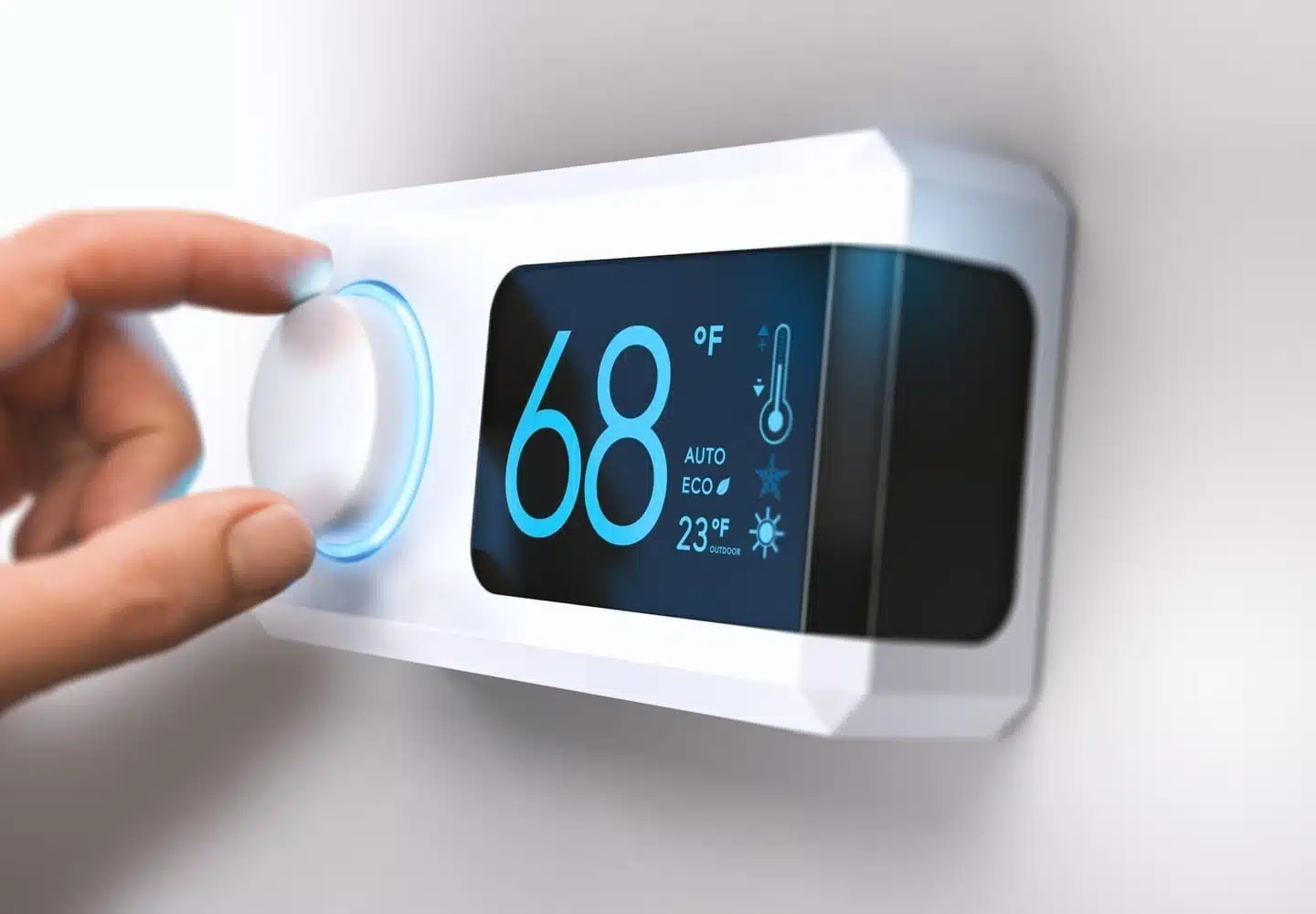
Extreme heat or cold can crack the oil paint on fine art canvas or warp digital media beyond repair, which is why deciding whether you need climate-controlled storage is essential for vulnerable items.
What Not To Put in a Storage Unit or PODS Container — FAQs
Q: What shouldn’t I store in a storage unit?
A: You should not store hazardous chemicals, flammable liquids, compressed gases, explosives, food, live plants, or items with non-removable lithium batteries. Additionally, avoid storing cash, irreplaceable family heirlooms, deeds, passports, and high-value jewelry.
Q: What are the golden rules of storage?
A: The golden rules of storage are: Never store anything living or perishable, never store anything flammable or explosive, always drain fluids from motorized equipment, keep your most valuable personal documents with you, and always pack items securely in heavy-duty boxes to prevent shifting during transit.
Q: Can I store a lawn mower in a PODS container?
A: Yes, but you have to prep it first. When figuring out what not to put in a storage unit or PODS container, a fueled engine tops the list. You must entirely drain all fuel, oil, and other liquids from the lawn mower before loading it. Storing outdoor equipment with fuel still inside is a strict violation of safety policies due to the risk of dangerous fumes and combustion.
Q: Why are items with lithium batteries prohibited from storage units?
A: Lithium batteries pose a known fire hazard, making them a crucial callout for what not to put in a storage unit or PODS container. If they are damaged, short-circuit, or exposed to extreme temperatures, they can experience thermal runaway and catch fire. If a device has a non-removable lithium battery, the entire item must be excluded from the container.
Q: Is it safe to store photo albums and old books in a non-climate-controlled container?
A: While it is permitted, it is not recommended for long periods. If you are debating what not to put in a storage unit or PODS container to avoid environmental damage, fragile paper items require caution. Non-climate-controlled environments experience temperature fluctuations and humidity changes, which can cause paper to warp, yellow, or degrade over time. Priceless or fragile media should ideally be kept in a climate-controlled environment or transported with you.
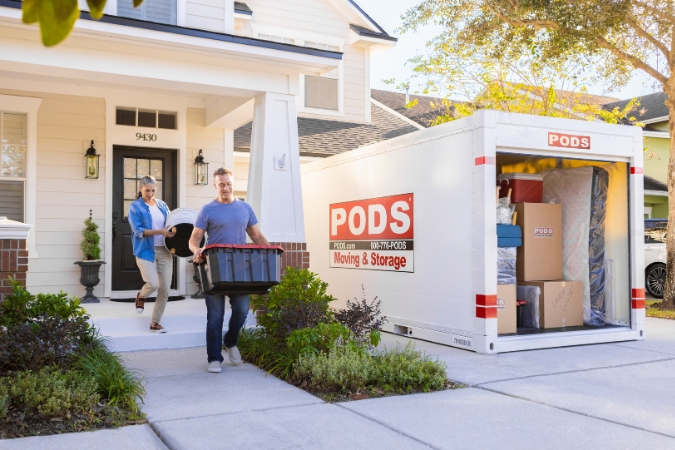
After learning what not to put in storage, schedule a PODS container for delivery and pickup on your timeline.
Make Your Move With PODS
Make your move as flexible with PODS portable moving containers. Have a container delivered right to your driveway, where you can load it on your own schedule. Need help with the heavy lifting? PODS can connect you with local packing and loading services. When you’re ready, your container will be picked up and delivered right to your new home, or kept in a PODS Storage Center until you’re ready for it. With one month of storage included in the cost of every move, you can take your time getting settled.
Visit PODS online for a free local moving quote or call 877-350-7637 for long-distance moving.
*This article was written on behalf of PODS Enterprises, LLC (“PODS”). PODS does not warrant the completeness or accuracy of any information contained in this article and disclaims any liability for reliance upon the content herein.

Your quote in 60 seconds
Get pricing tailored to your needs!
Related Articles

What Can I Store in a Non-Climate-Controlled Storage Container? Here’s What You Need to Consider
Storage Tips and Hacks
Read more