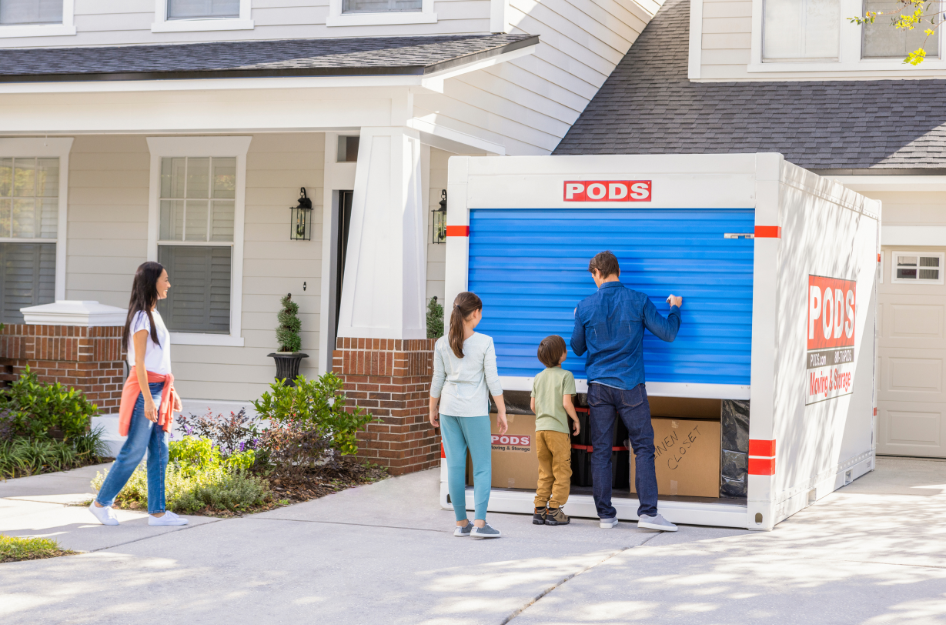
How to Wrap Furniture for Moving: A Step-by-Step Guide To Help You Move Like a Pro
Packing Tips and Hacks

Moving to a new home? Exciting! Packing up everything you own? Slightly less glamorous. While tossing small, everyday items into boxes is pretty straightforward, furniture is an entirely different story. The good news: Learning how to wrap furniture for moving doesn’t have to be complicated. With the right prep, you can protect your favorite pieces like a pro. We’re here to walk you through it all — from getting prepped to loading it all up safely.
Preparation & Inventory
Before you gather all your packing supplies, successful protection starts with this pre-wrapping checklist.
Clean Each Piece
First up: Cleaning. It might feel like an extra chore, but it’s definitely worth the time. Dust, grime, and debris can act like sandpaper when it’s trapped under plastic wrap or moving blankets, causing scratches and scuffs. If your furniture isn’t completely clean and dry, you could end up trapping moisture under all those layers — meaning mold, mildew, and discoloration.
A quick clean also means you’re not bringing allergens or old odors into your new space. But remember, you don’t need anything fancy. A soft cloth or duster will do the trick for most surfaces. And if you’re cleaning a couch or area rug, just grab the vacuum.
Measure Before Moving
Have you ever tried to shove a piece of furniture through a small doorframe? It probably didn’t work that well. Furniture wrap adds even more to those dimensions, so be sure to measure before you move — that means the furniture itself and how much clearance you have in your doors and hallways. You should also measure the ceiling height for taller pieces of furniture.
Another thing to consider is the weight distribution of your items so that nothing gets crushed during transport. Large and heavy items go on the bottom, while lighter items stay on the top.
Take Photos During Disassembly
When you need to take apart more complex furniture, taking photos of how the components, like the brackets and hinges, are assembled makes reassembling a lot easier once you arrive at your new home. If you’re moving a lot of furniture, photos will also help you track everything you have.
Detailed Supply Guide
Now that you’ve completed the pre-wrapping steps, here’s what you need to protect your furniture.
Moving Blankets
Moving blankets are different from the blankets you keep around your house. They’re heavier and designed to absorb sudden shock and impact. And they’re usually made with cotton or polyester that minimizes any damage during transport. Moving blankets are tear-resistant, so you won’t have to worry about any kind of tearing or snagging. They’re durable and can even be repurposed for an additional move.
Stretch Wrap
Stretch wrap is one of the most effective moving materials for furniture (Think: Wrapping it around a dresser to keep the drawers closed). It’s also ideal for awkwardly shaped items, and can make them easier to carry.
| Q: Why shrink wrap furniture when moving? A: Shrink wrap can be used to prevent external moisture from getting in; however, if you don’t dry the furniture piece before applying the wrap, then it can trap moisture underneath. |
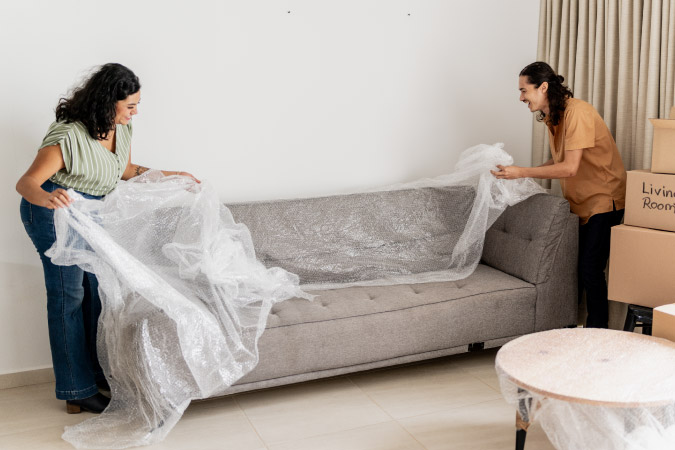
Bubble cushioning roll can help protect furniture from damage during your move.
Bubble Cushioning Roll
When considering how to wrap furniture for moving, bubble cushioning roll is one of the best materials you can choose. Its air-filled bubbles offer maximum impact and shock absorption, which will help protect your delicate and most special items. Plus, who doesn’t love popping all those bubbles at the end of a move?
Furniture Sliders & Straps
Furniture sliders — AKA, furniture moving pads — are placed under the legs or corners of heavy items so they can glide across the floor instead of being lifted. Furniture sliders help protect your floors by preventing scratches and scuffs, so no damage is left behind during your move.
Moving straps are another must-have, especially for bigger, bulkier items. These straps secure to your body and help distribute weight more evenly, making it both safer and easier to lift heavy furniture and items without straining your body.
Specialized Wrapping Techniques
When you’re strategizing how to wrap furniture for moving, the best technique will ultimately depend on the type of furniture you’re moving. Here are some common materials to consider.
Wood & Antiques
When it comes to wood and antique surfaces, you should avoid using tape or any kind of plastic wrap directly. This can lead to peeling and trapped moisture — so furniture wrap for moving is going to be the best option here.
For any fine antiques, acid-free packing paper will prevent any kind of chemical reactions in the plastic or dyes from leaking.
Once you have used the acid-free paper, you can drape moving blankets over your items to act as a shock absorber. Finally, apply the stretch wrap over the blankets, but leave room for the furniture to breathe.
Sofas & Armchairs
Upholstery is more prone to trapping dirt than wood, and it’s more fragile. When finding the right materials for protecting upholstered items, hygiene is the main factor to consider.
Heavy-duty sofa covers made of polyethylene can help prevent any stains throughout the moving process, particularly those that might come from dirty hands, poor weather conditions like rain or snow, and any other dirt or debris.
| Q: Do couches need to be wrapped in plastic? A: Plastic wrap can promote the buildup of moisture, so high-duty covers are usually the best option. |
Leather
Leather is porous, meaning it’s more prone to “sweating” and requires breathability. The initial layer of protection should consist of dry moving blankets or furniture moving pads. You can use packing tape to hold the blankets together, but don’t let it touch the leather directly, as it could strip some of the color away or leave residue. Applying leather conditioner before the move is also a great idea, as it can prevent cracks and help your couch stay flexible.
Glass
When dealing with any kind of glass furniture — including coffee tables, dining tables, or cabinets — you must take a multi-layered approach to ensure the weight is managed and the frames are stabilized.
To stabilize any piece with glass that cannot be removed, you can use painter’s tape to create a criss-cross pattern across the glass. If you’re transporting a glass cabinet, you can use inflatable pillows or thick layers of packing paper to prevent the glass from flexing inward.
Glass tabletops are typically tempered, which means they could shatter if any of the edges are chipped. First, wrap the entire piece in a heavy-duty plastic bubble cushioning roll or even newspaper. Then, sandwich the glass between two layers of cardboard and seal it completely.
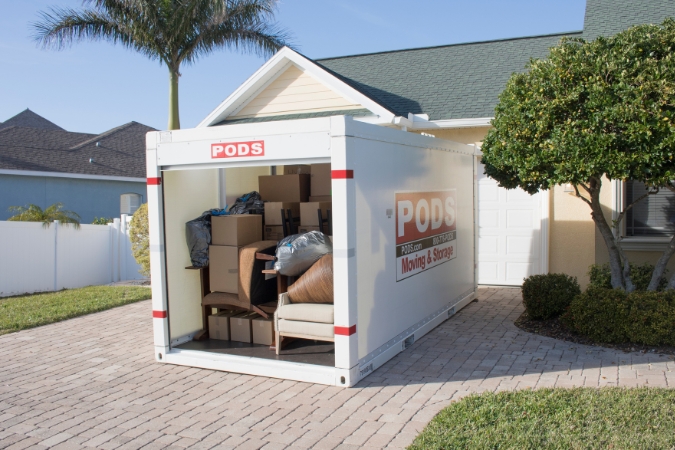
Knowing how to wrap furniture for moving is just the start — load smart, use wrapped dressers as walls, and secure everything to prevent shifting and damage in transit.
Proper Loading Strategies & Transit Safety
Even if you take all of the right wrapping steps, improper loading will throw all of that hard work away. If the weight isn’t distributed properly or your items aren’t secured, it can lead to structural damage and even instability inside a moving vehicle.
Use Wrapped Dressers as Walls
Wrapped dressers can function as walls in a moving truck (one of the best packing tips and hacks to know). Start by placing your heaviest dressers facing inwards against the side walls of the truck or moving container. This creates a sturdy barrier that helps divide up the load and keeps fragile items from bumping into each other if you hit a sudden stop or sharp turn.
Moving blankets can be placed between any gaps so furniture doesn’t slide. And you can place moving boxes directly against the dressers to create just enough friction to help keep boxes in place.
Another strategy to stabilize the dressers is placing light items on top, which fills the gap between the furniture and the truck ceiling and keeps the dresser in place so that it won’t move around during sudden stops or when you hit bumps.
Secure Belongings With Hooks and Tie-Down Rails
Hooks and tie-down rails play a major role in keeping your wrapped furniture safe and secure while you’re on the move.
Once your items are positioned against the truck wall, you can use ratchet straps to lock everything in place without dealing with complicated knots. These straps are designed to be quick, sturdy, and easy to adjust — exactly what you want when you’re working with heavy furniture.
You can also run straps over sections of furniture and boxes to keep everything from shifting. Try anchoring a strap from one side of the truck to the other to create a secure barrier. This helps hold an entire section in place, so even if something moves slightly, it won’t turn into a domino effect.
If you have any irregular pieces of furniture, you can also crisscross the straps between hooks to create a webbed network that holds these items in place and prevents them from banging against the truck.
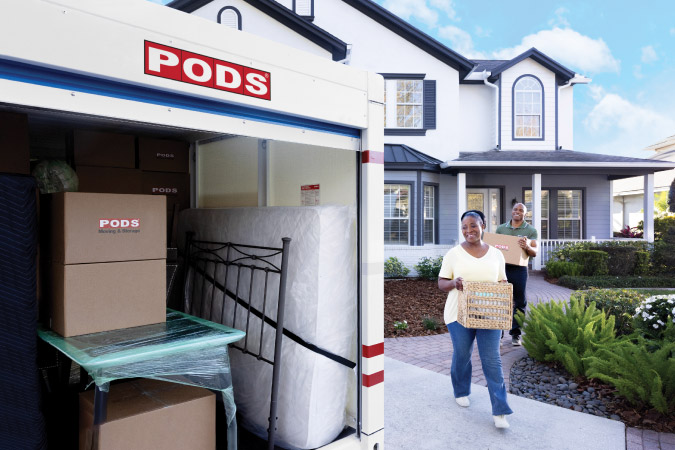
Once you know how to wrap furniture for moving, it’s time to enjoy a flexible move with PODS.
Transport Your Furniture With PODS
Mastering how to wrap furniture for moving is a worthwhile investment that will protect your items and give you peace of mind during your move. Take the time you need and make your move to a new city flexible with a portable moving container from PODS. Have a container delivered right to your driveway, where you can load it on your own schedule. Need help with the heavy lifting? PODS can even refer you to local packing and loading services. Once you’re ready, the container will be picked up and delivered to your new home, or you can store it in a PODS Storage Center until you’re ready to unload. One month of storage is built into the cost of every move, so you can take your time without feeling rushed.
Visit PODS online for a free local moving quote or call 877-350-7637 for long-distance moving.
*This article was written on behalf of PODS Enterprises, LLC (“PODS”). PODS does not warrant the completeness or accuracy of any information contained in this article and disclaims any liability for reliance upon the content herein.

Your quote in 60 seconds
Get pricing tailored to your needs!
Related Articles


What To Pack First When Moving: The Only Moving Packing List You Need
Packing Tips and Hacks
Read more


How To Pack for a Move: 16 Foolproof Packing and Moving Tips From a Seasoned Pro
Packing Tips and Hacks
Read more